
FOLLOW US


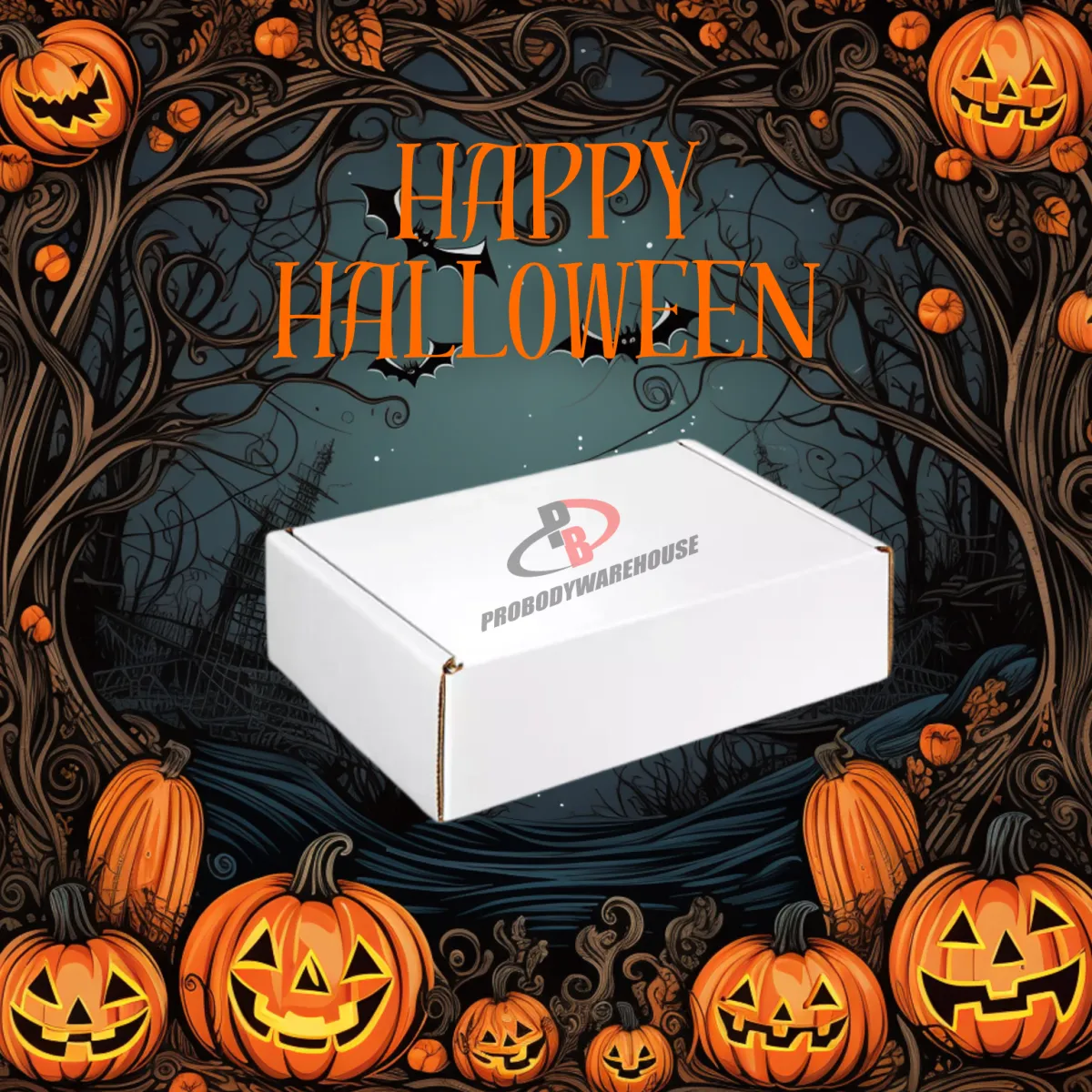
GET INSTANT ACCESS TO 2024 HALLOWEEN SPOOKY SAVINGS!!
DEALS START
Saturday 10/26/24 - Thursday10/31/24
Get Early Exclusive Spooky Specials

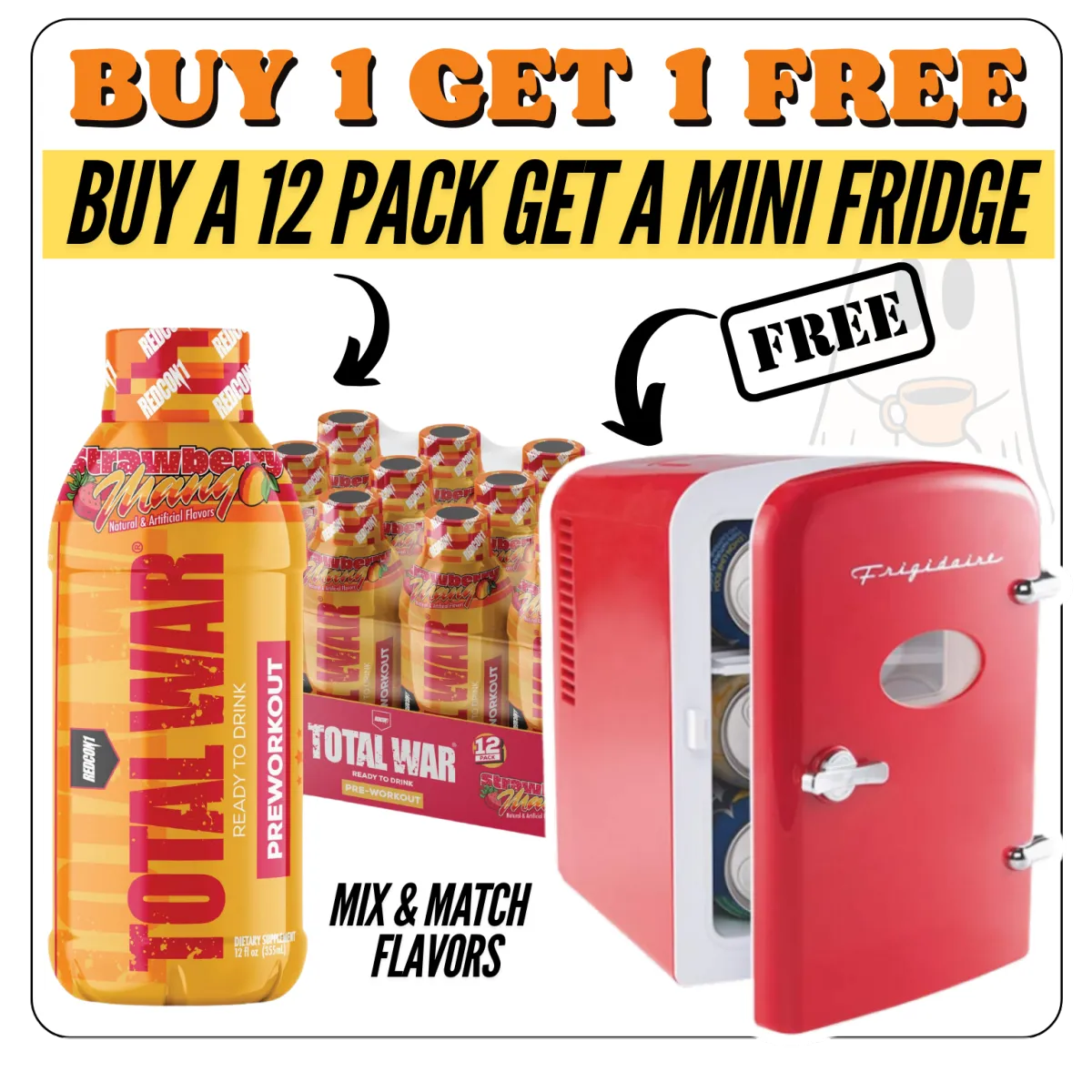
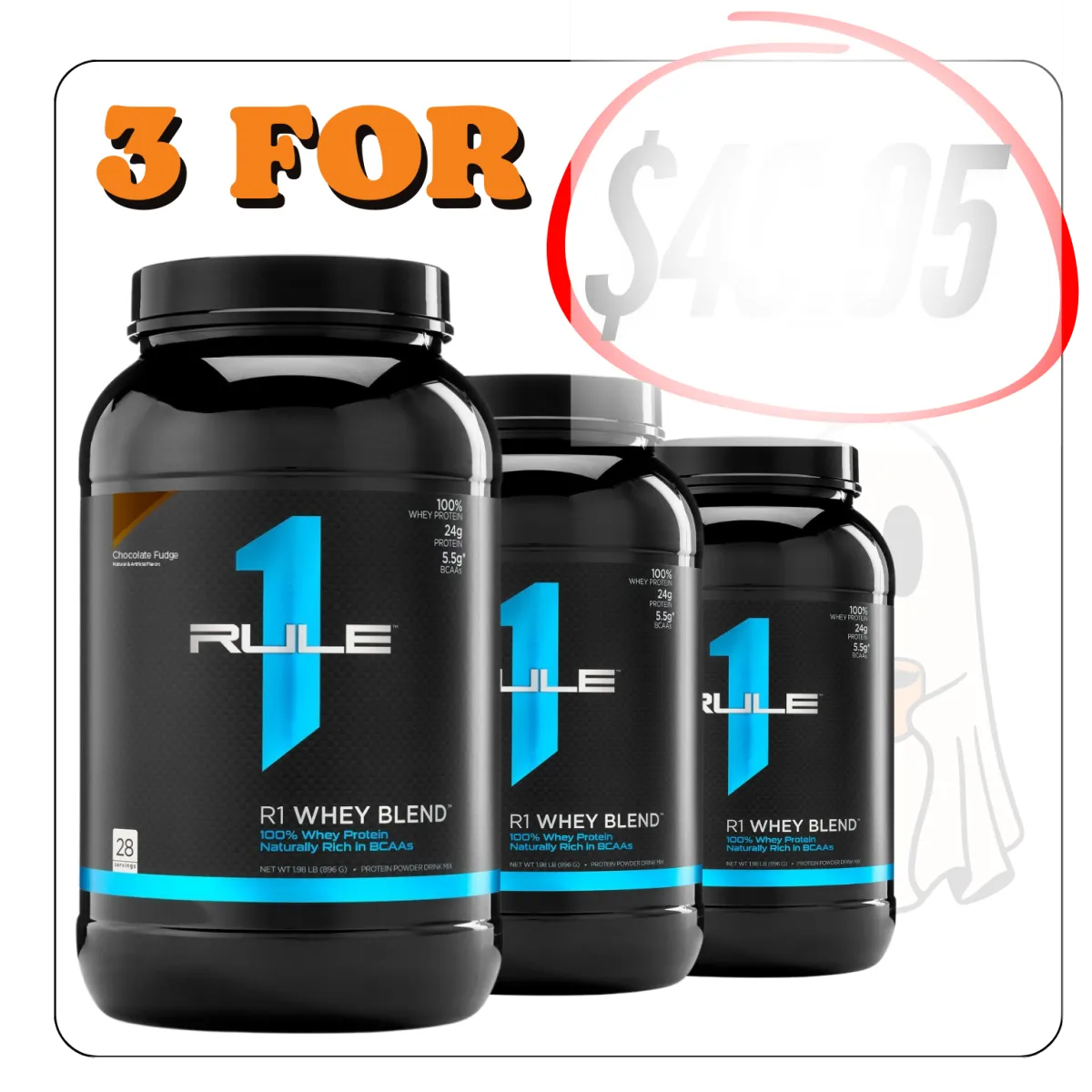
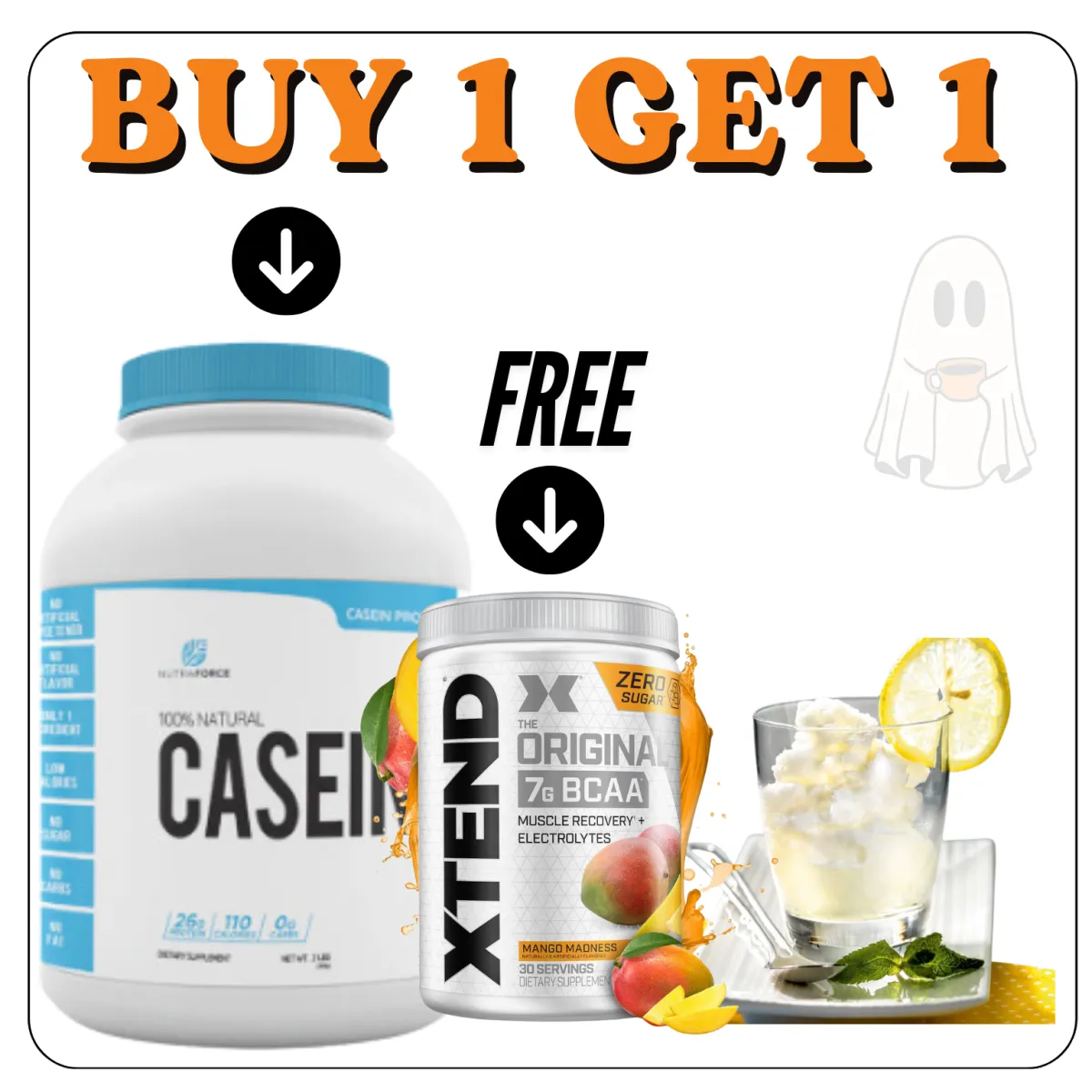
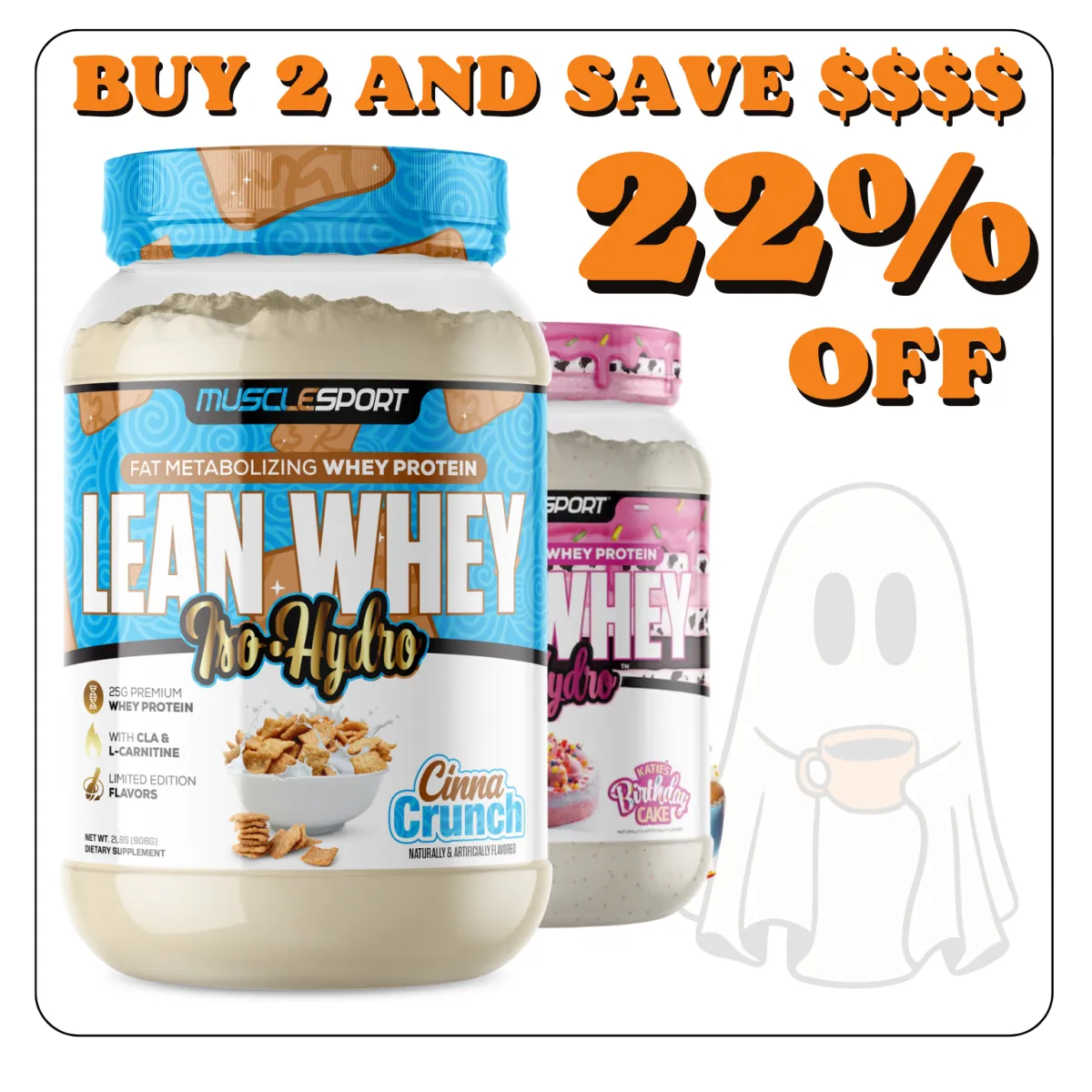

SUPPLIES ARE LIMITED - RESERVE YOUR TUB. SEND US A MESSAGE
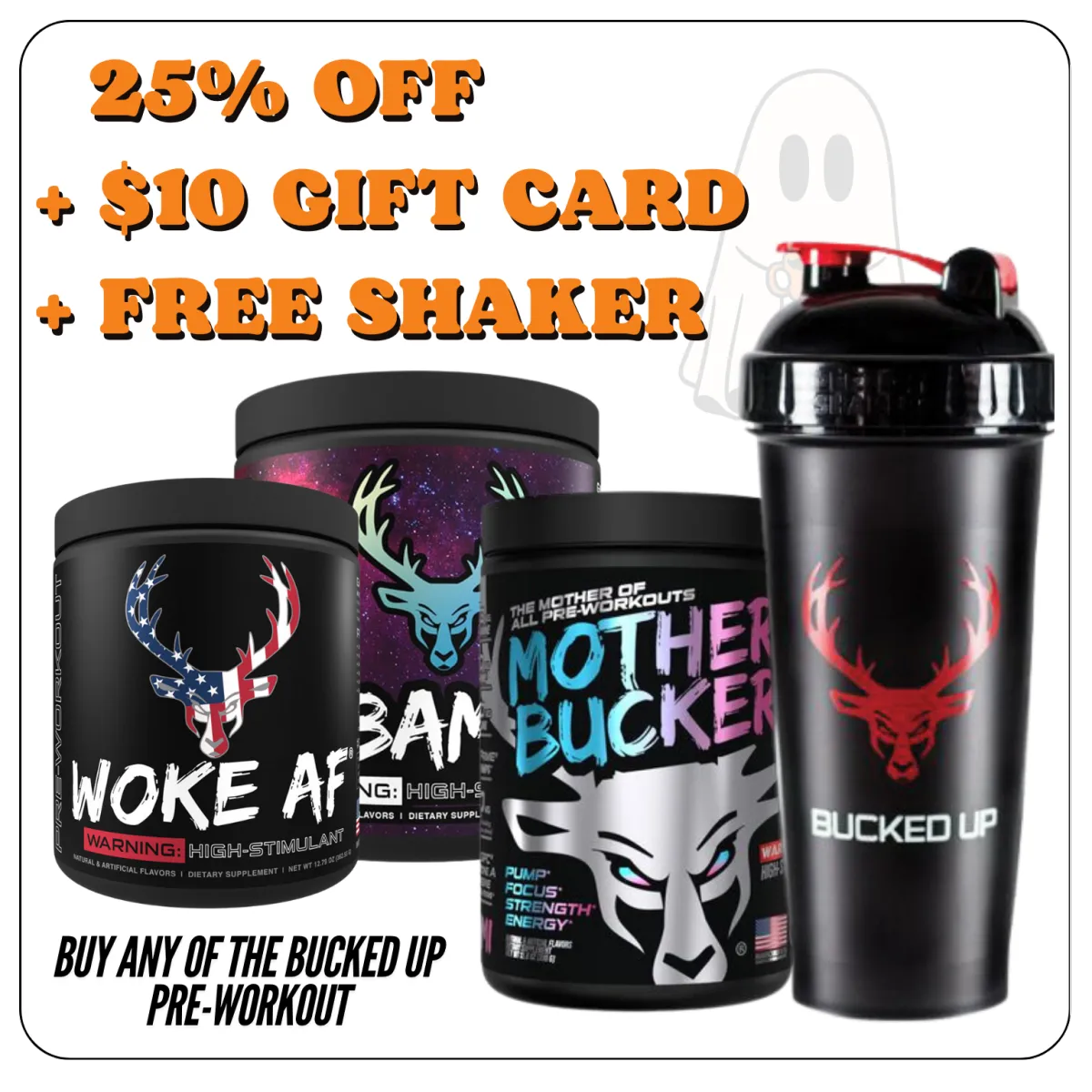
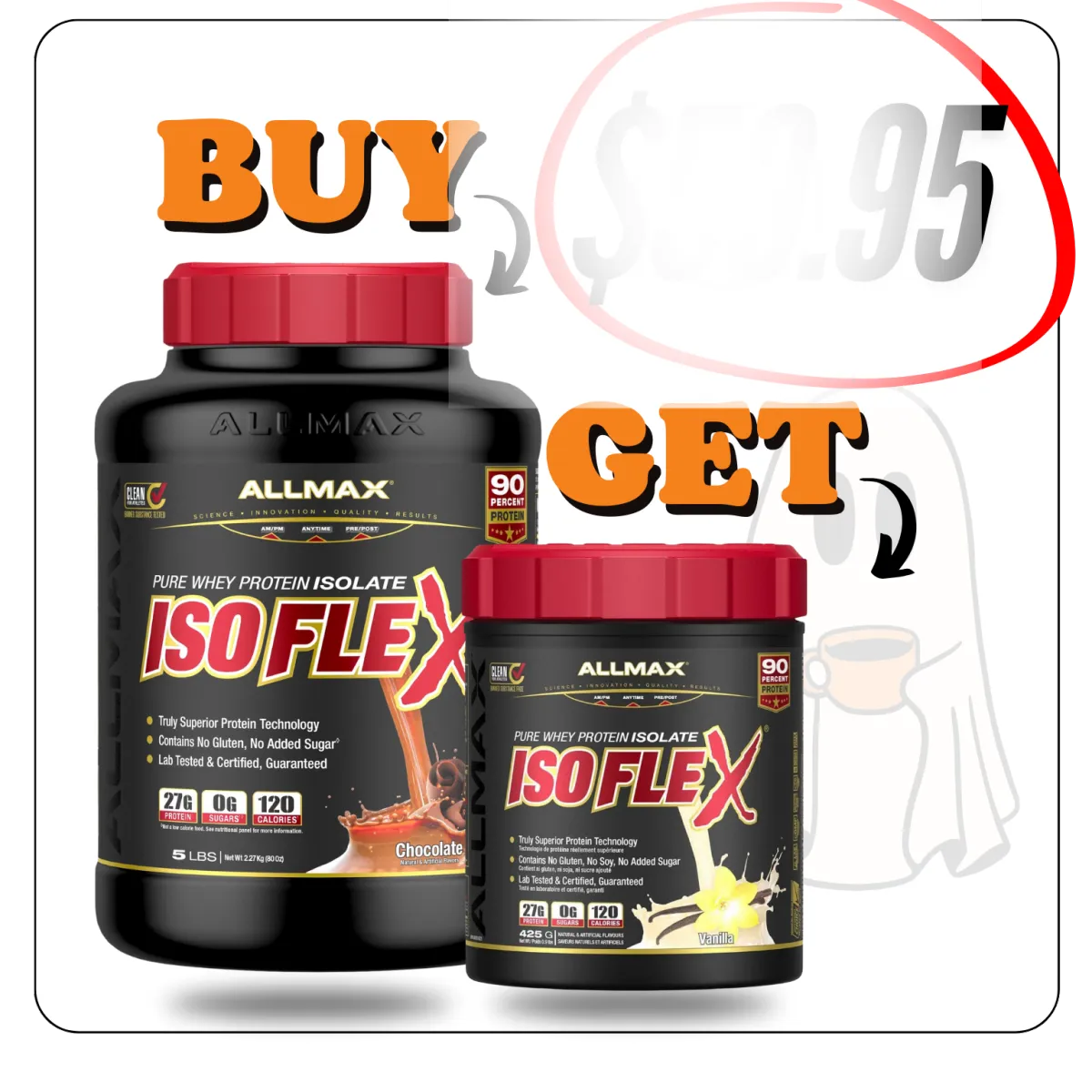
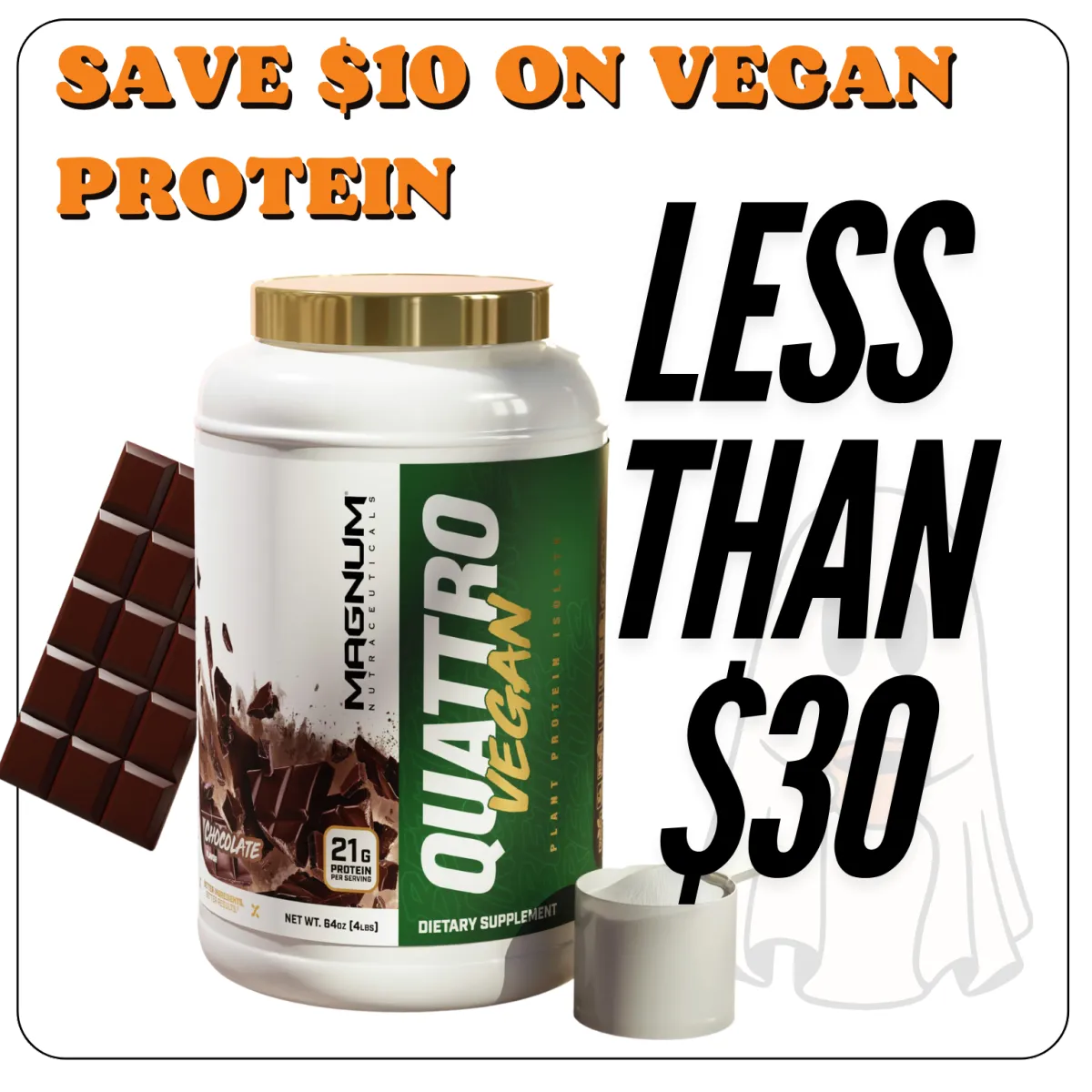
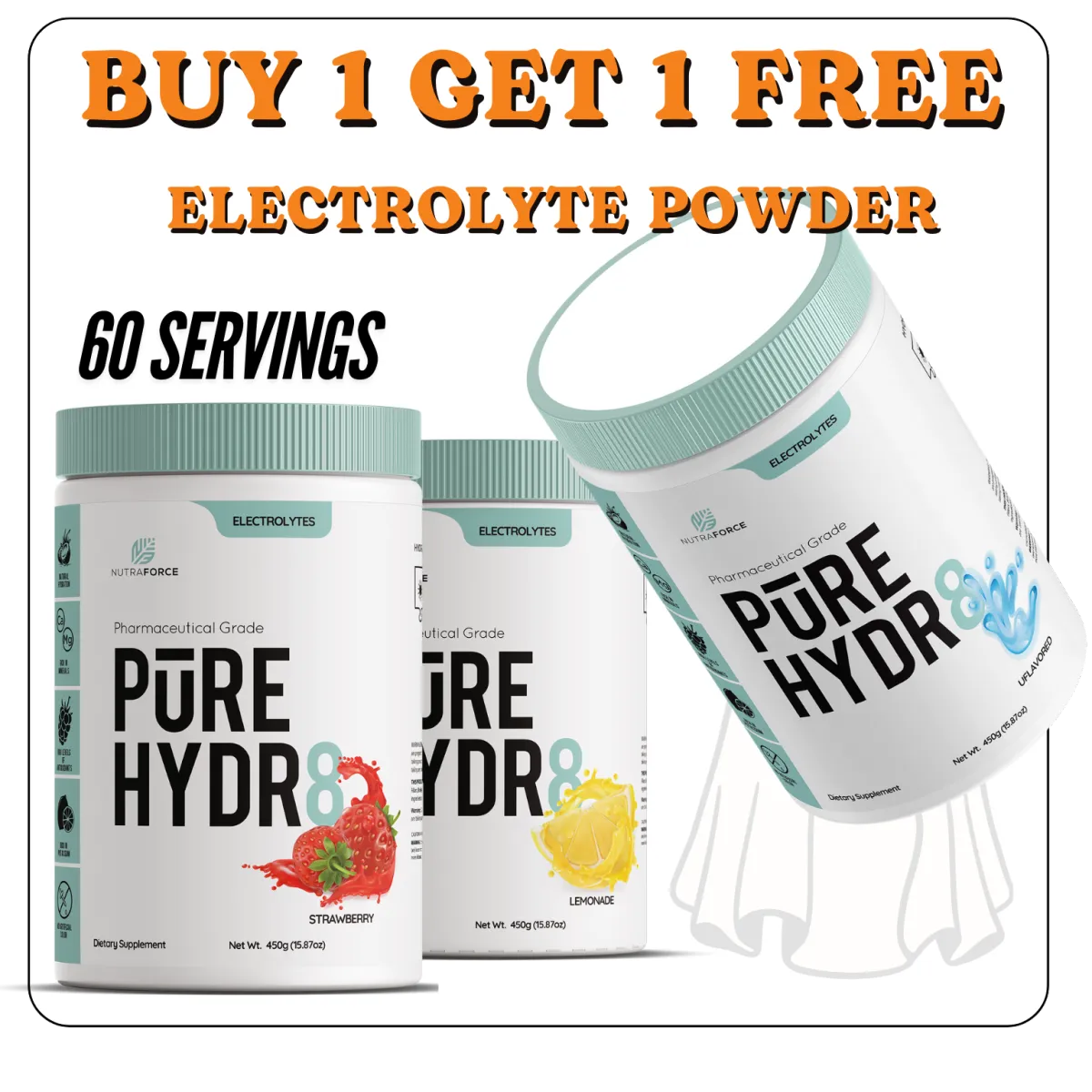

TRIPLE SAVINGS ON BUCKED UP PRODUCTS| GET 25% OFF+ $10 GIFTCARD + FREE SHAKER CUP
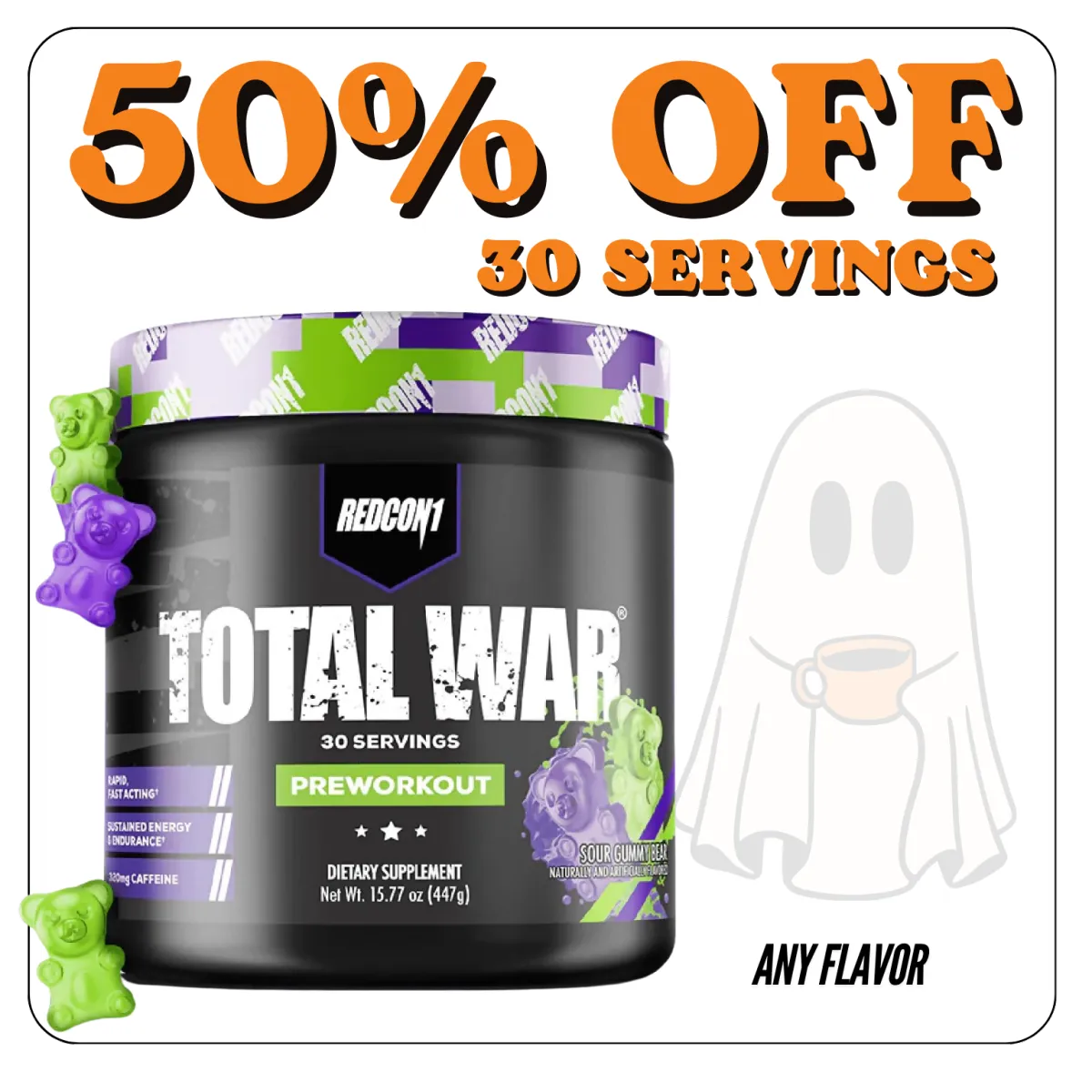
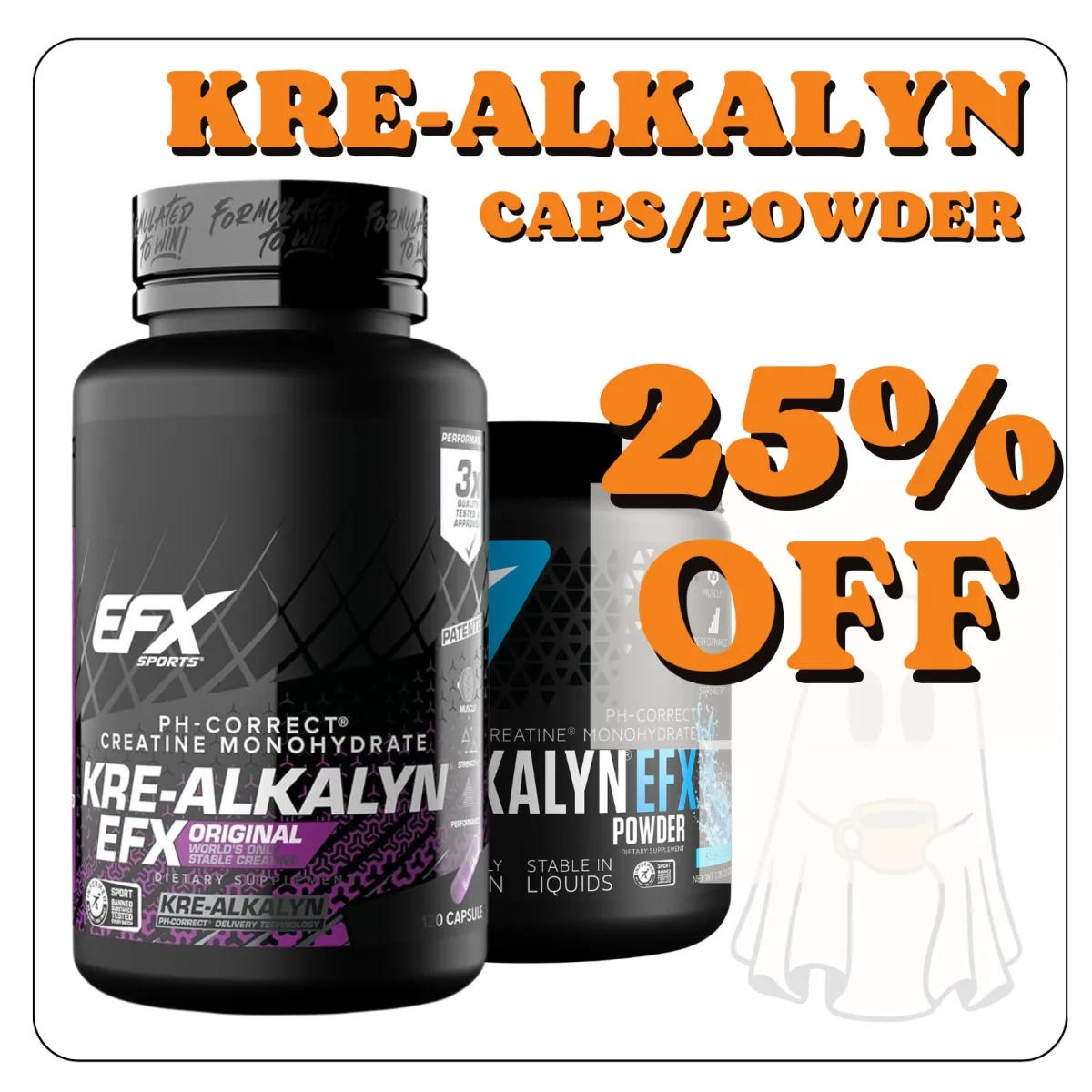
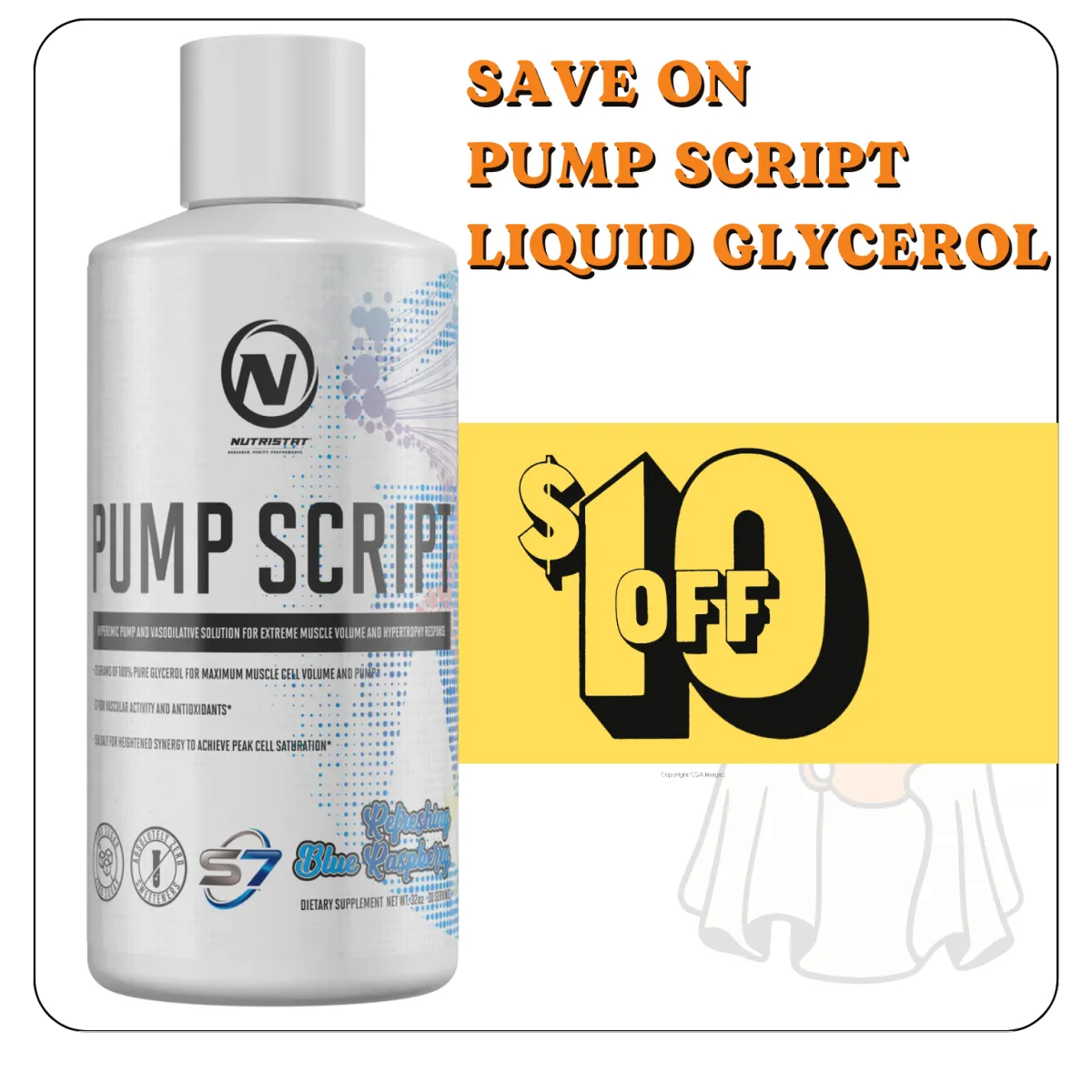
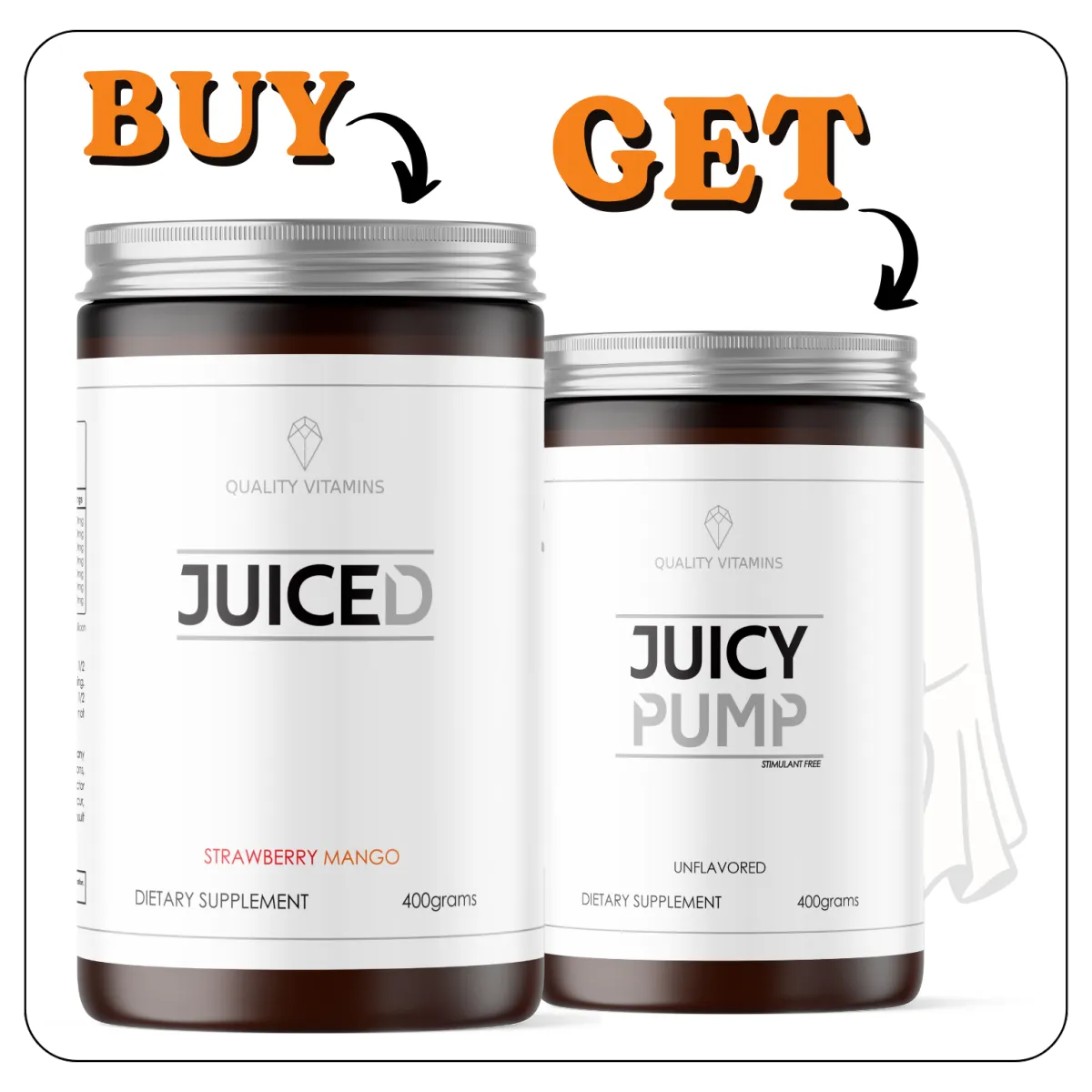
Get A FREE Gift
Coupon Required
Coupon Will Be Sent To You Via SMS, After You Fill Out The Form Below
Oceanside Location
1018 Mission Ave
Oceanside, CA 92054
Chula Vista Location
301 3rd AVE
Chula Vista, CA 91910
Point Loma Location
3166 Midway Drive
San Diego, CA 92110
El Cajon Location
301 W Main St
El Cajon, CA 92020
Kearny Mesa Location
4837 Convoy St
San Diego, CA 92111

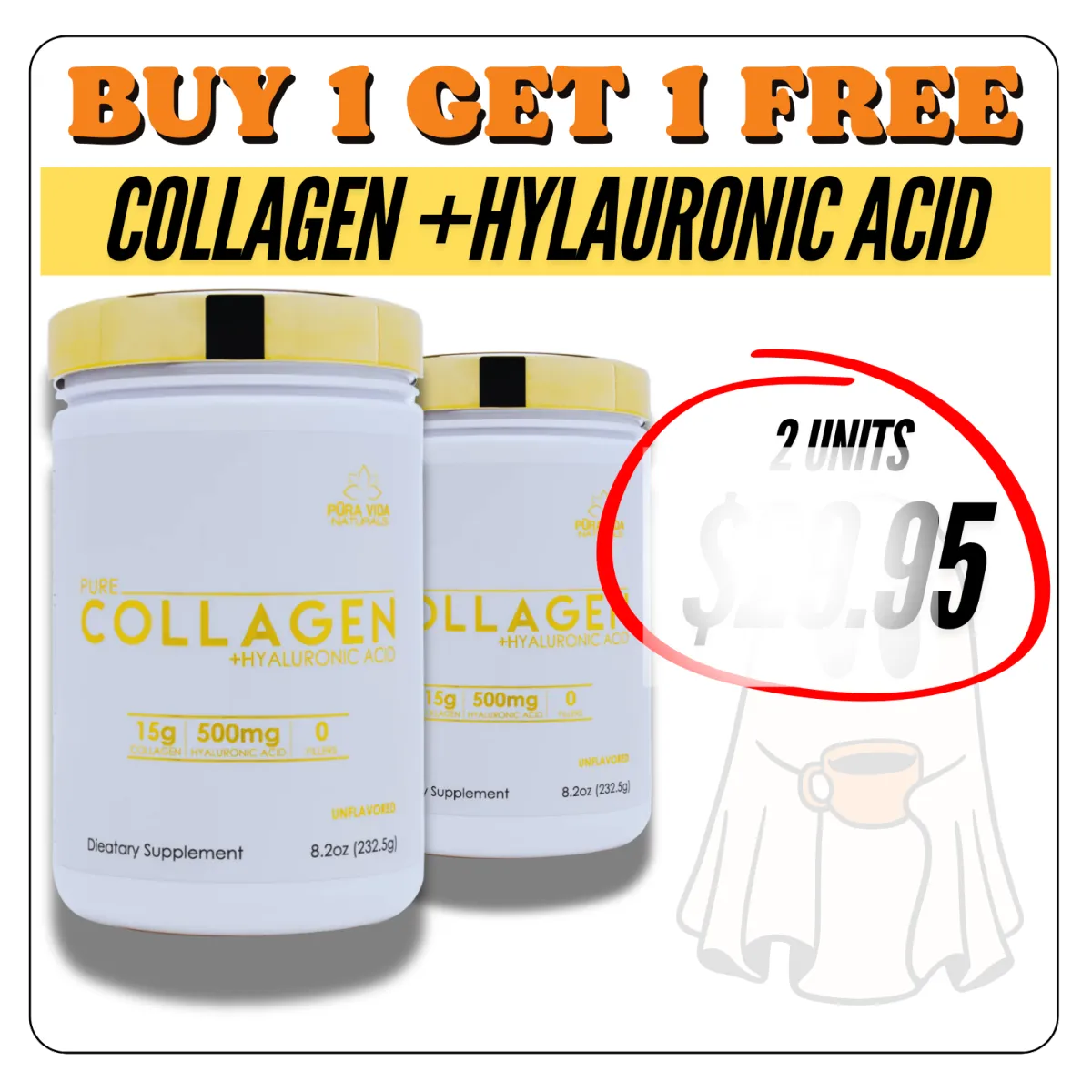
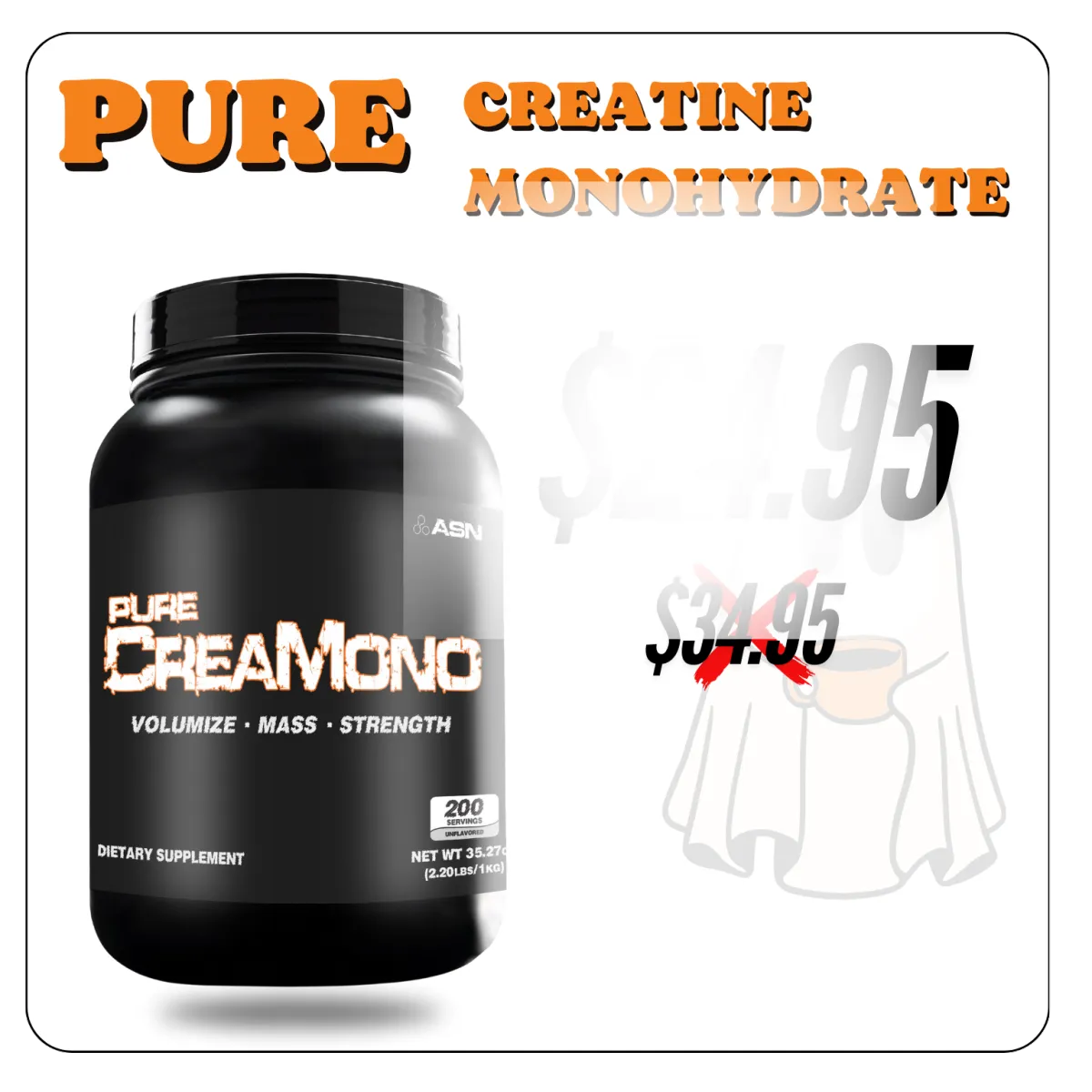
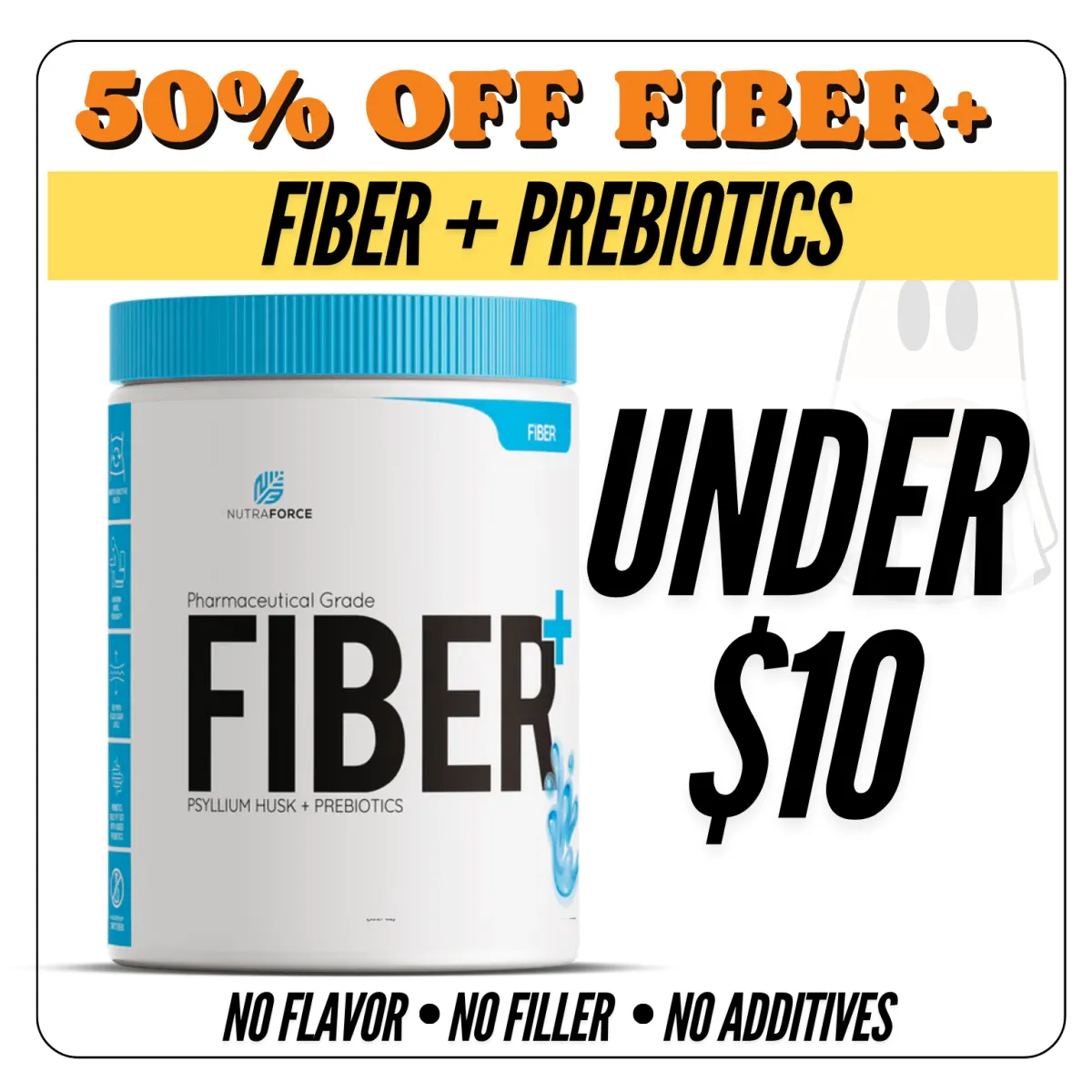
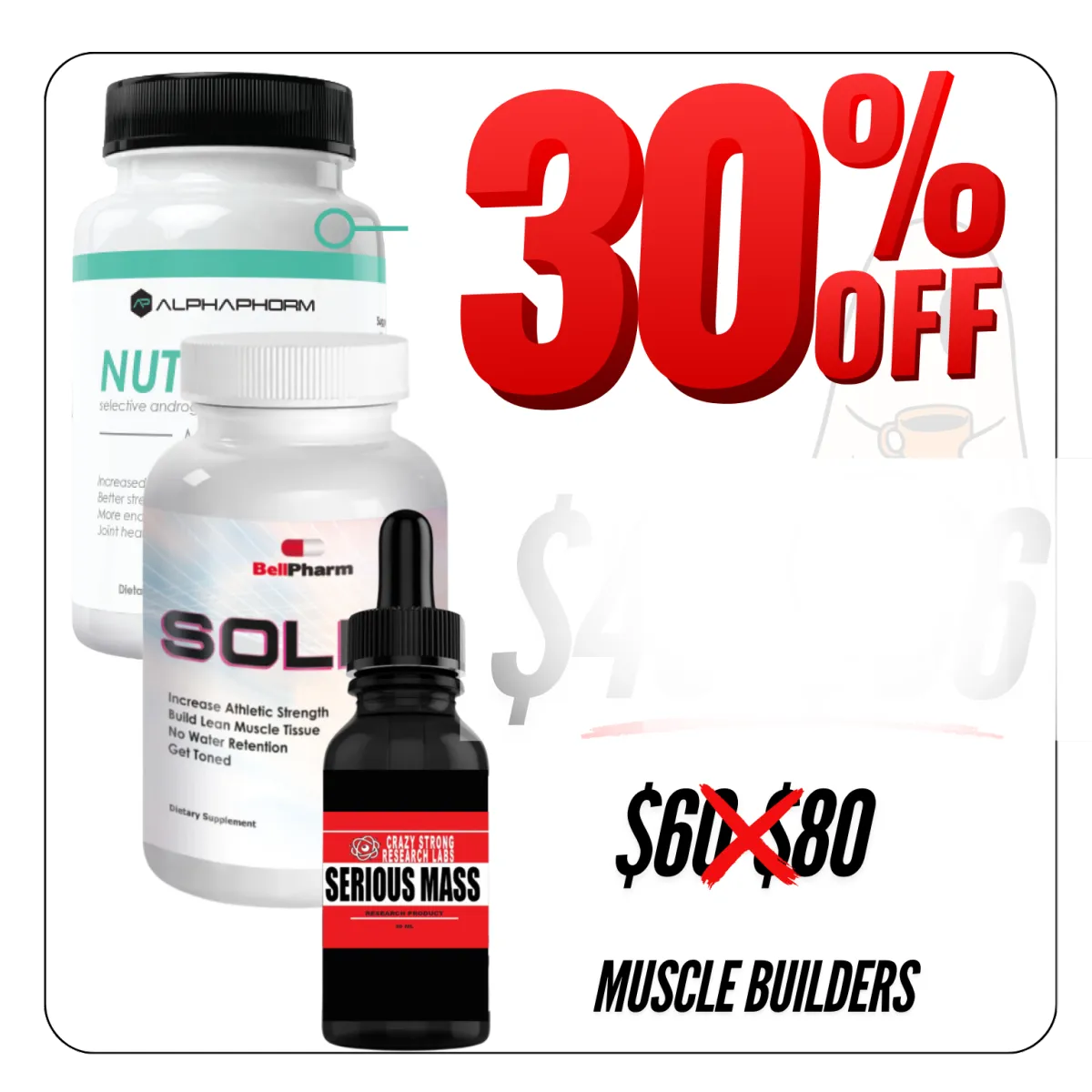
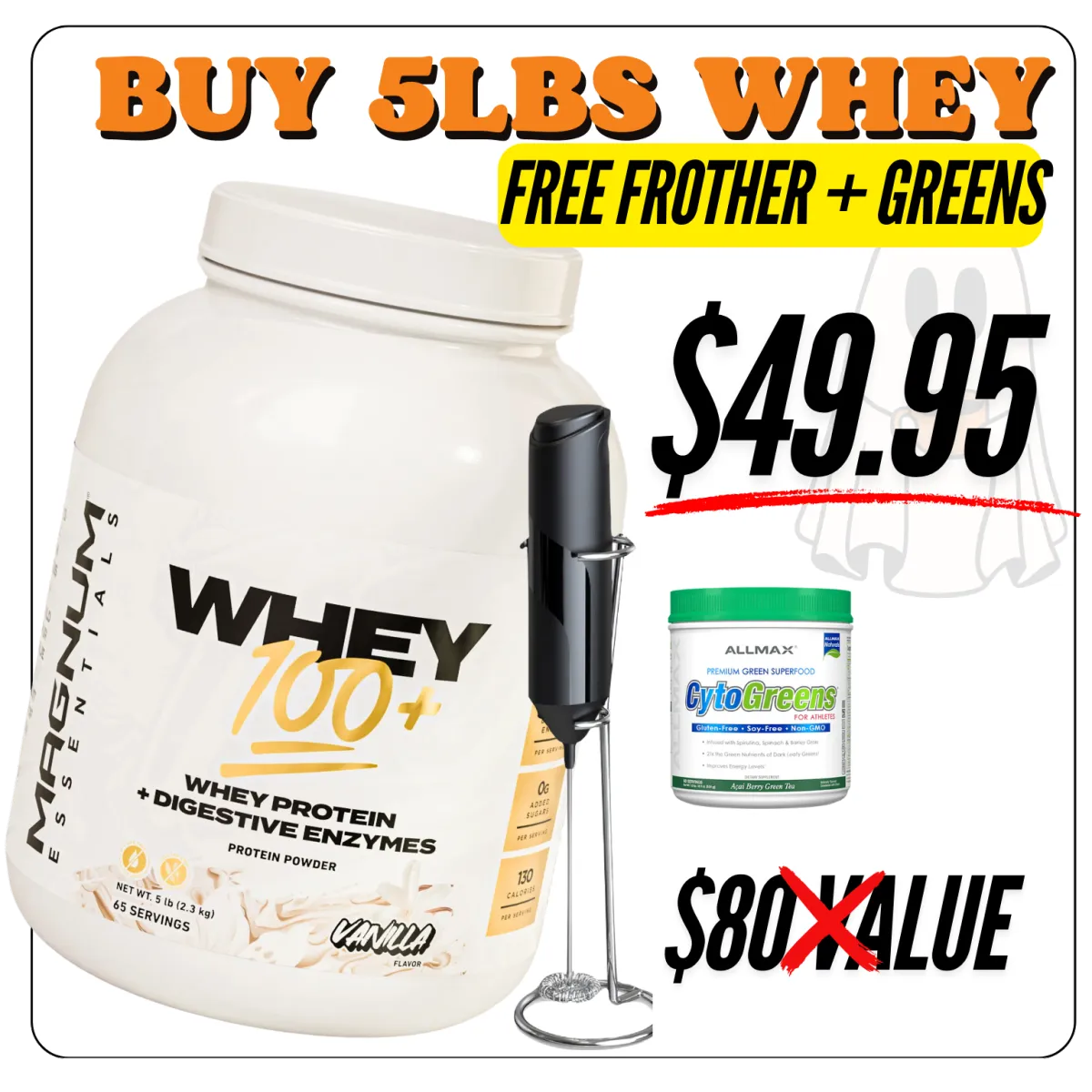
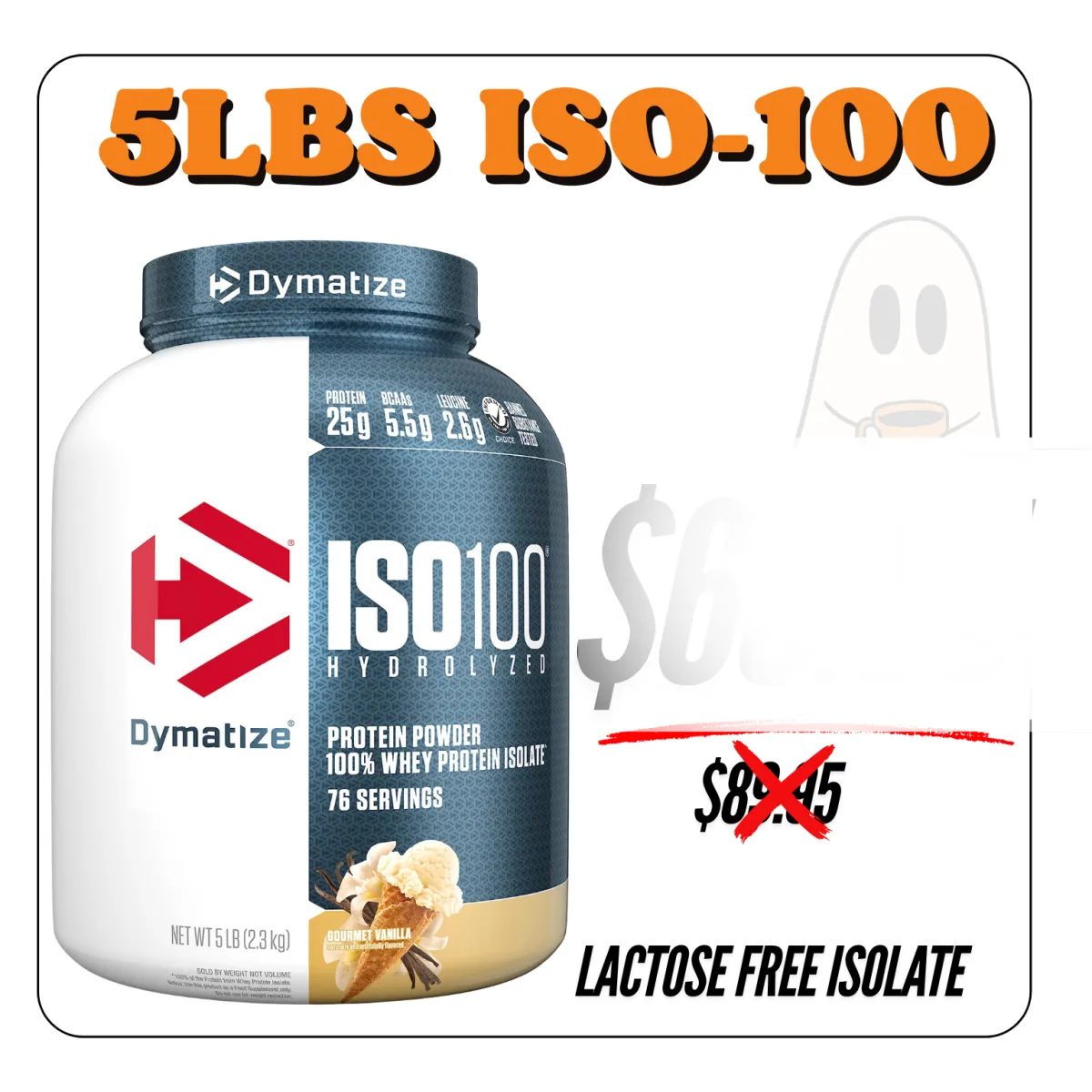
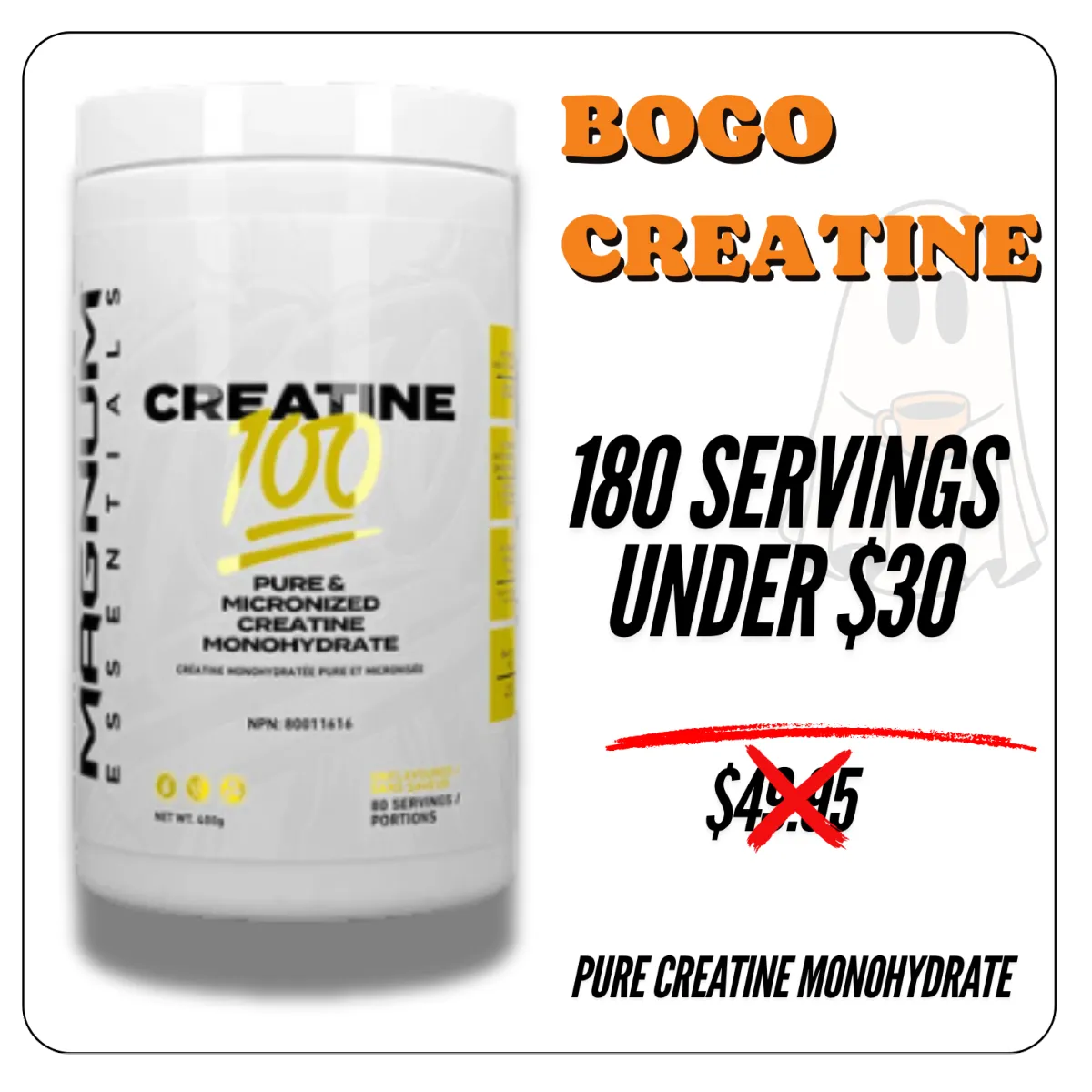

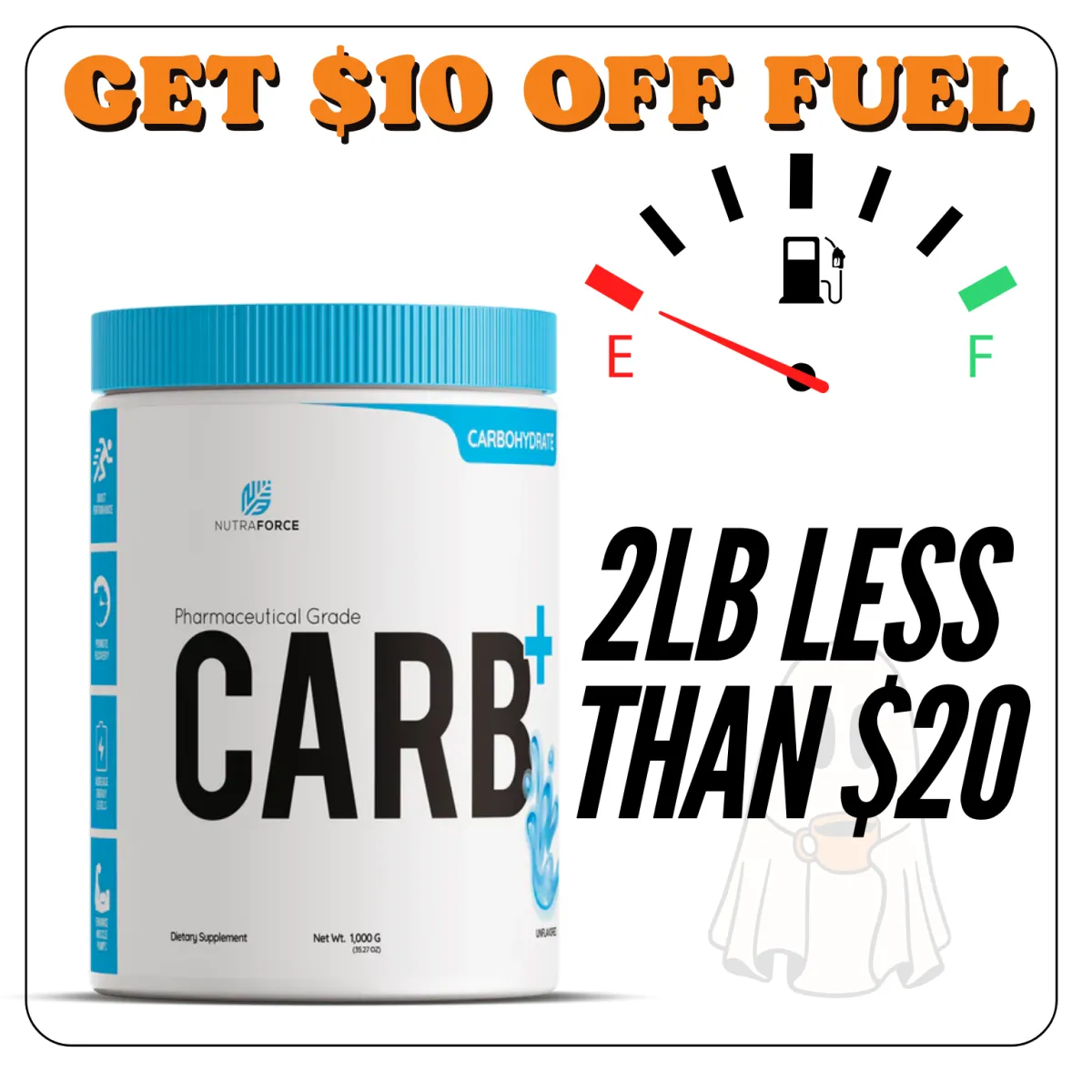
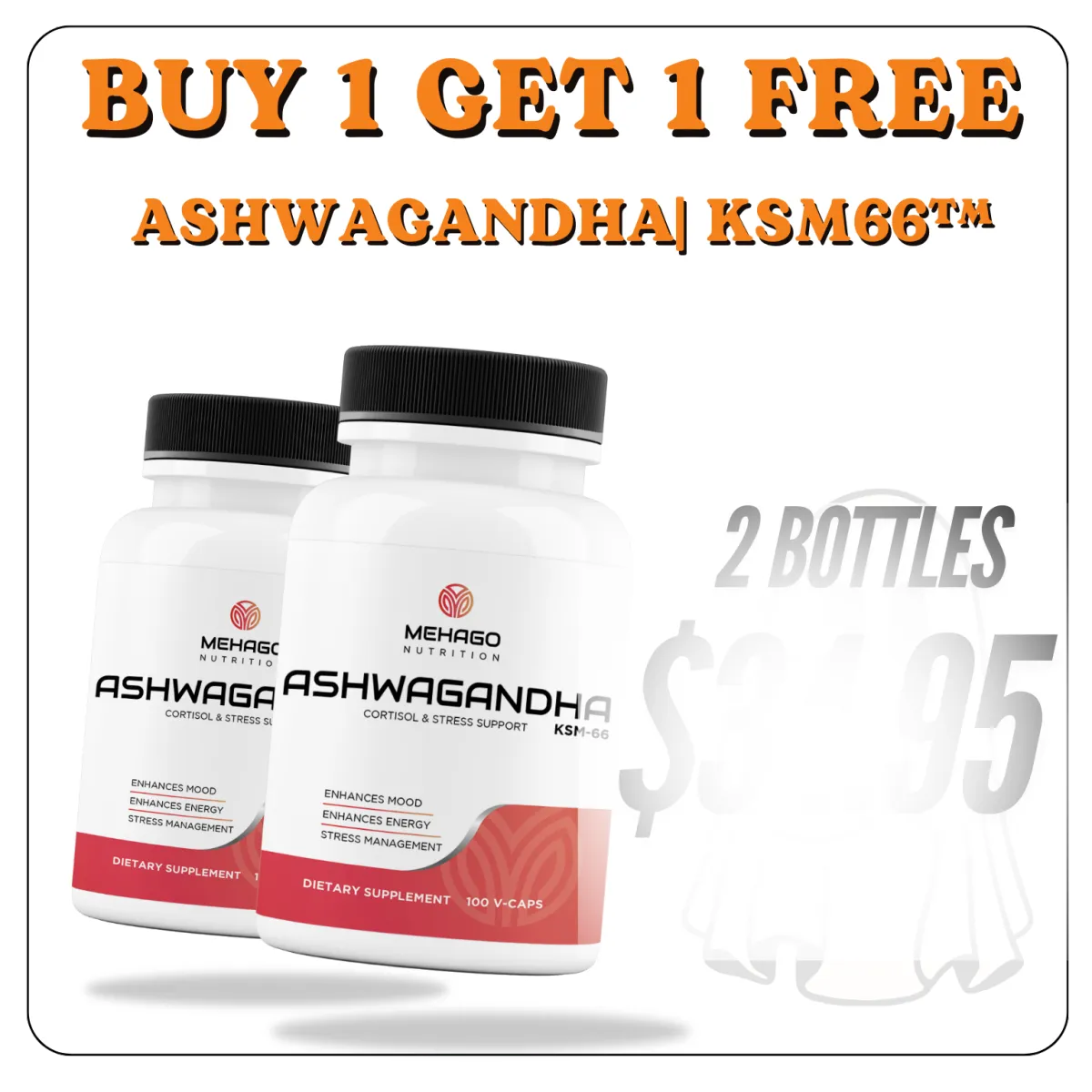
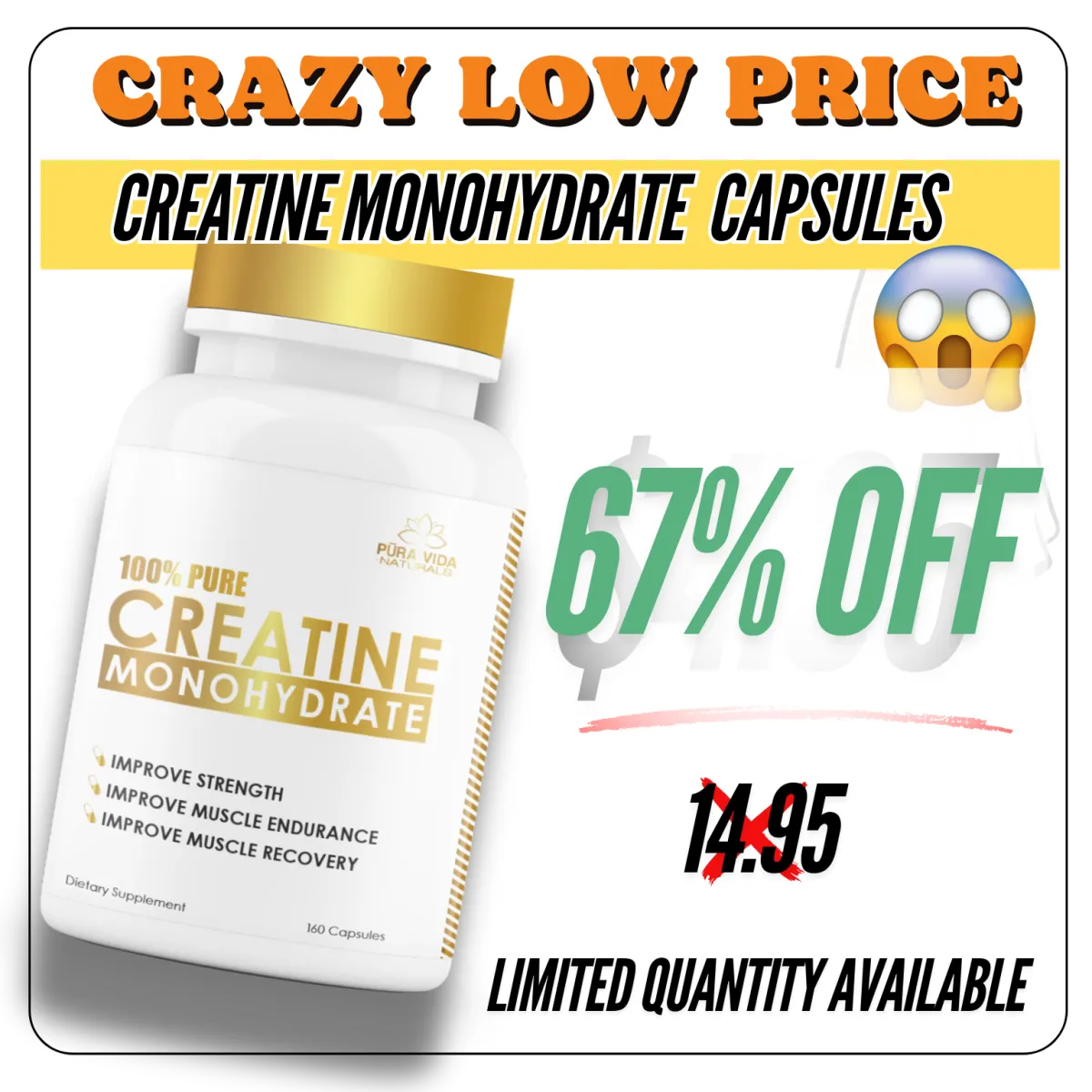
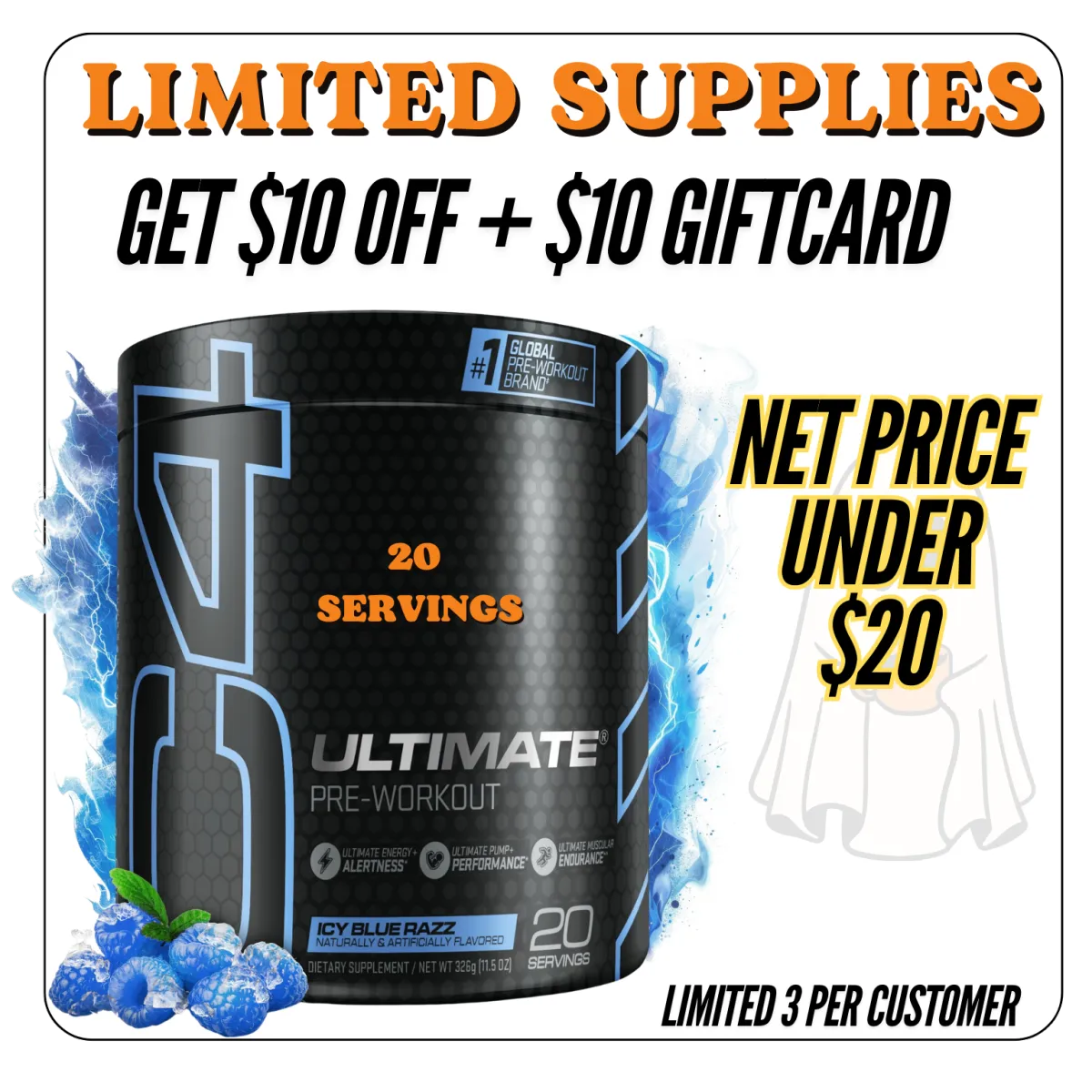
EXCLUSIVE SPECIALS | ONLY VALID IN POINT LOMA
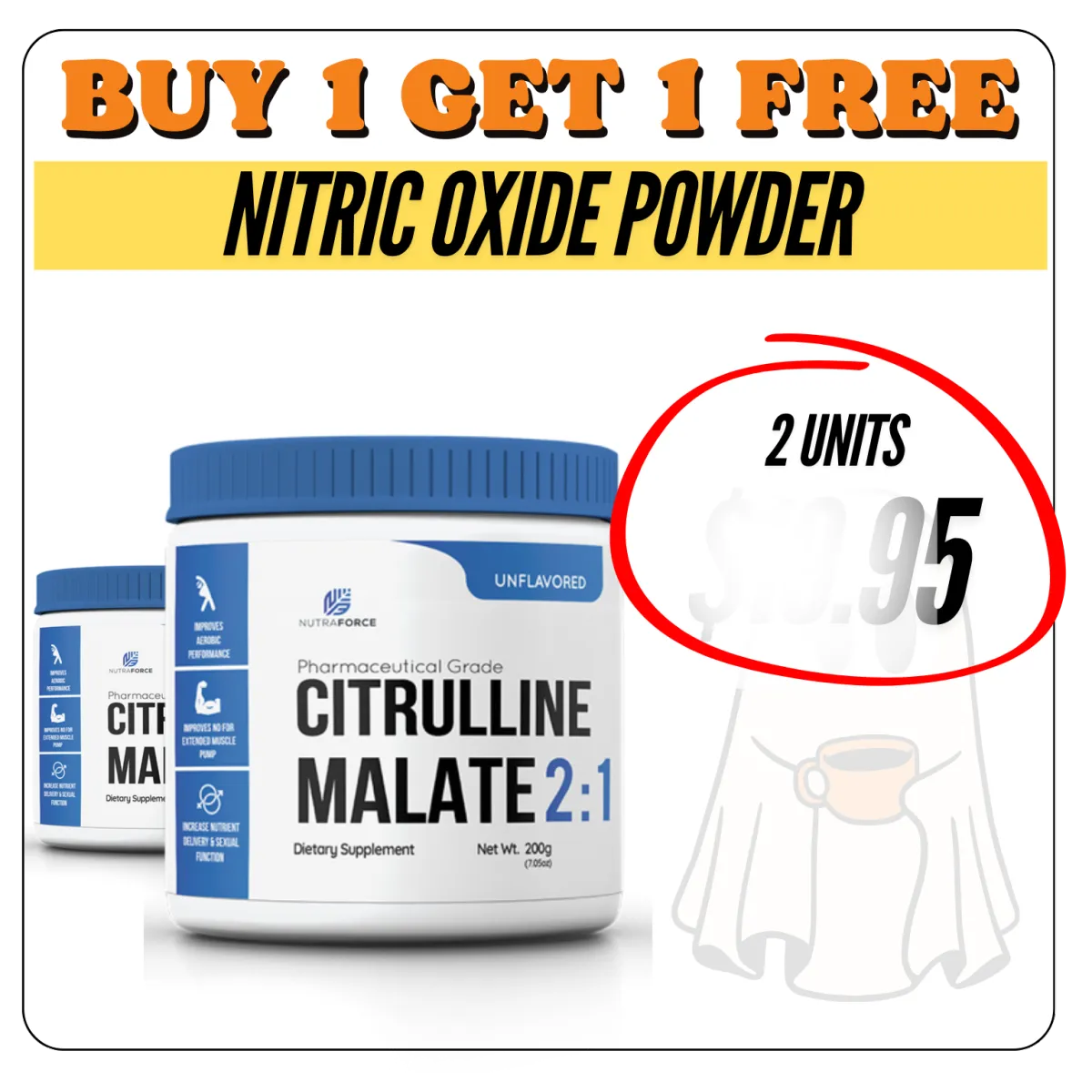
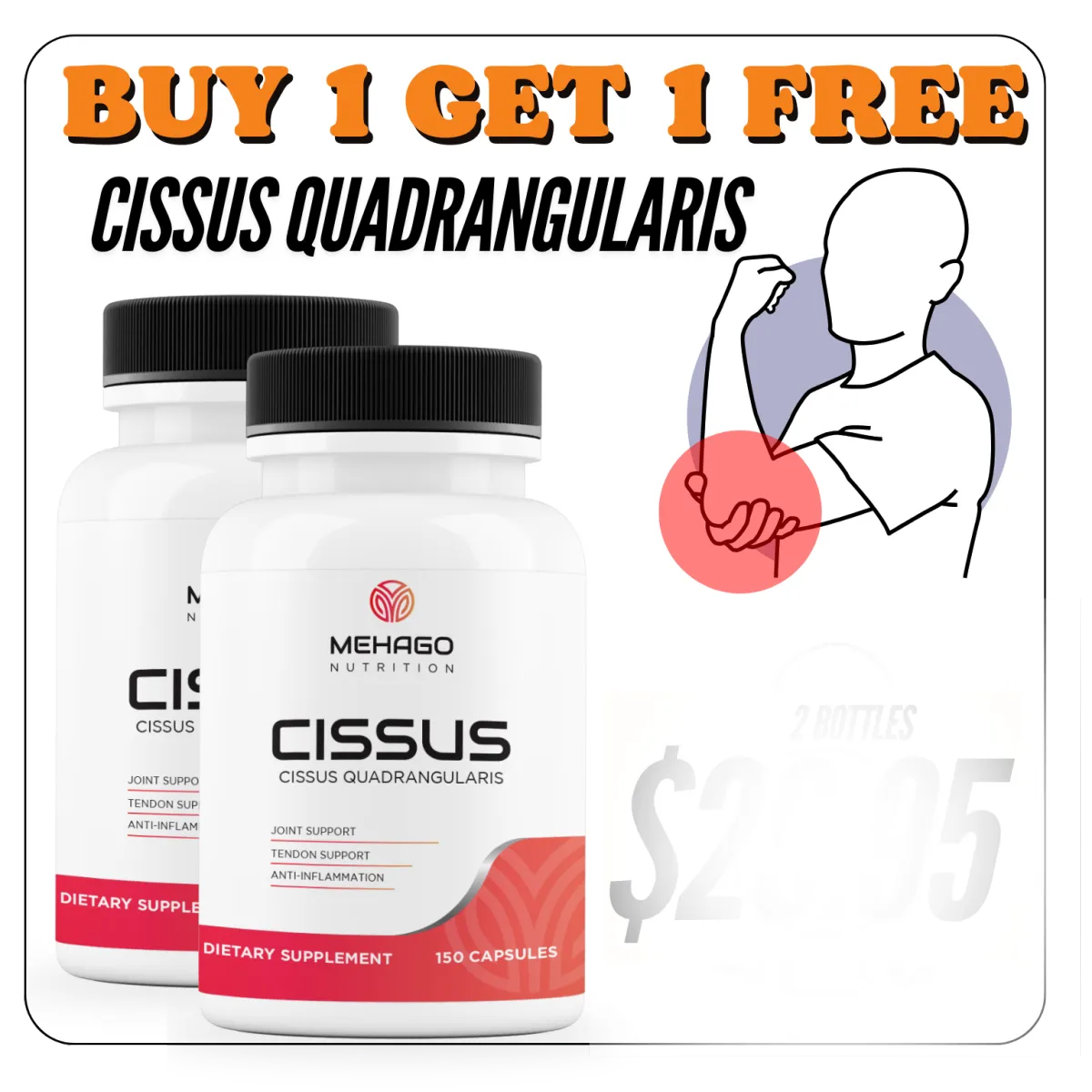
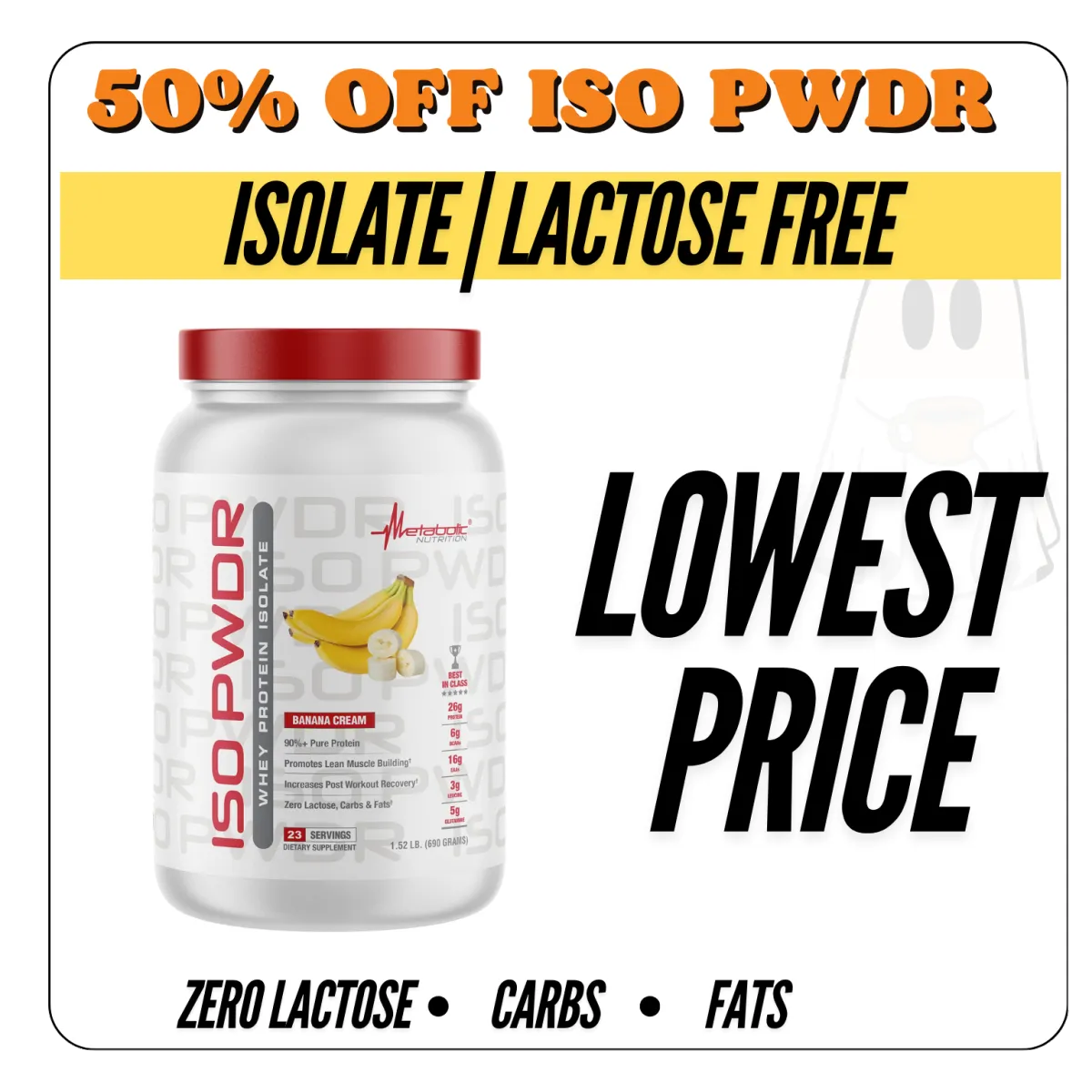
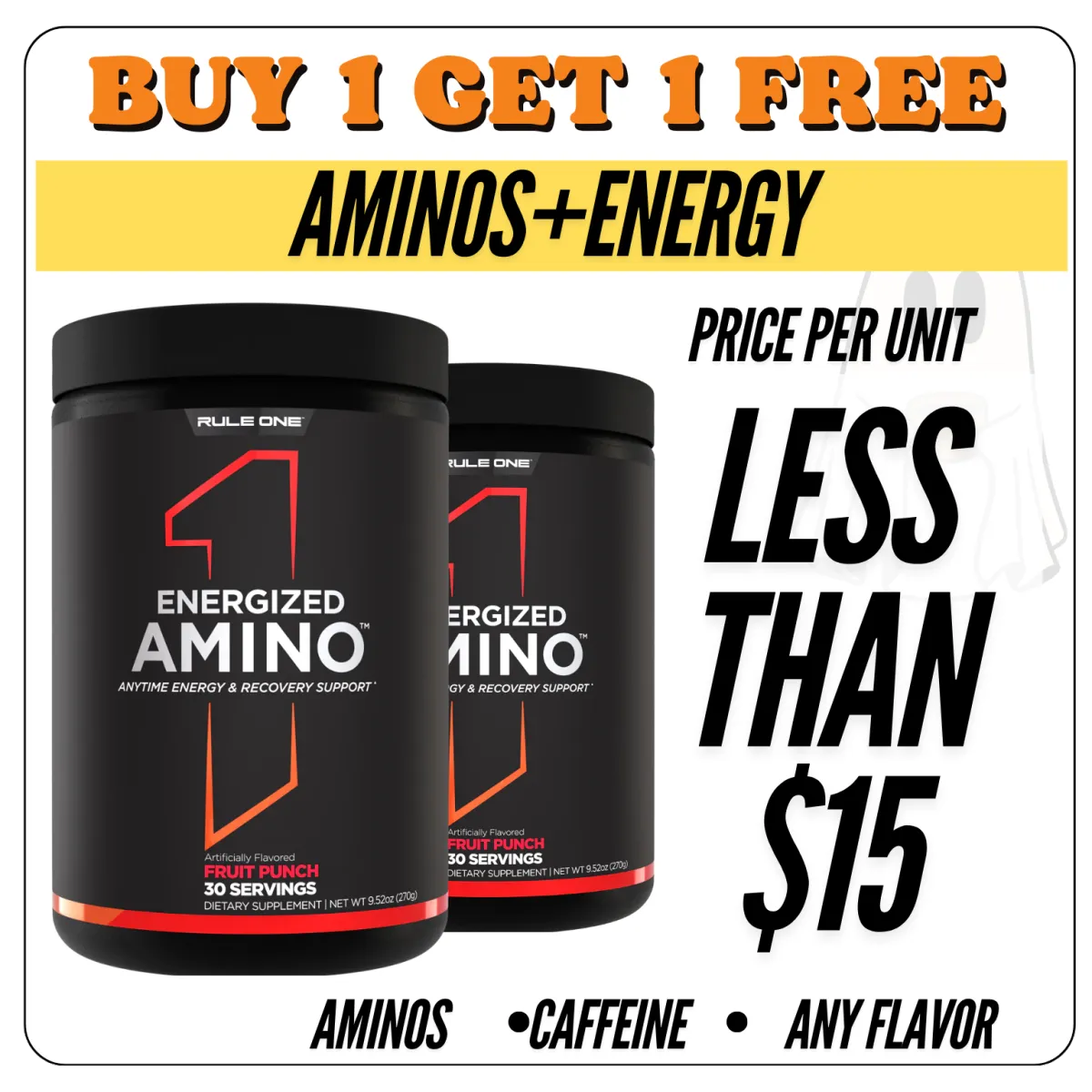
GET ACCESS TO ALL THE EXCLUSIVE PRICING

WHY DO I NEED TO FILL OUT THE FORM?
WE WANT YOU TO SAVE MONEY ON YOUR FAVORITE SUPPLEMENTS
Many prices are below the minimum advertised price, set by the brands.
We want to keep the prices exclusive to and allow you to reserve the item.
Get a Trick or Treat Giftbox with a variety of samples.
Get exclusive offers in the future and save money. (staying healthy can be expensive)
Got More Questions? Text Us
Our Customers Love PBW
SERVINGS THE SAN DIEGO COMMUNITY FOR MORE THAN 15 YEARS

Alex Johnson
I've been going to Probody Warehouse for more than 10 years and they always have the best offers, especially their weekend deals are awesome. I'll still get a few items on Amazon here and there. But the bulk of my supplements needs I get from ProBody Warehouse. Highly recommend them.

Karina Chipova
ProBody Warehouse has been my go-to supplement store for years. Love the specials, love the customer service, and most importantly I love the knowledgeable staff. They are all very helpful in recommending the right supplements.

Marcus Smith
I've been coming to PBW for a few months now, and I'm soooo happy I found this spot. First off, I get my muscle egg here all the time. It's the lowest price I've found (I've searched everywhere) plus they carry certain products that are super unique and work great. I highly recommend this place.

Elisa Morales
Great supp shop, wide variety of products, fair pricing and great customer service. It's my go-to place for my Celsius energy drinks. I love that I can mix the flavors I want and it's only $20/case.
PROBODY WAREHOUSE
OCEANSIDE
Address
1018 MISSION AVE
OCEANSIDE, CA 92054
Business Hours
Mon – Fri: 10am - 8pm
Sat : 10am-6pm
Sun: 10am-5pm

Phone Number:
PROBODY WAREHOUSE
EL CAJON
Address
301 W MAIN ST
EL CAJON, CA 92020
Business Hours
Mon – Fri: 10am - 8pm
Sat : 10am-6pm
Sun: 10am-5pm

Phone Number:
PROBODY WAREHOUSE
KEARNY MESA
Address
4837 CONVOY ST
SAN DIEGO CA 92111
Business Hours
Mon – Fri: 10am - 8pm
Sat : 10am-6pm
Sun: 10am-5pm

Phone Number:
PROBODY WAREHOUSE
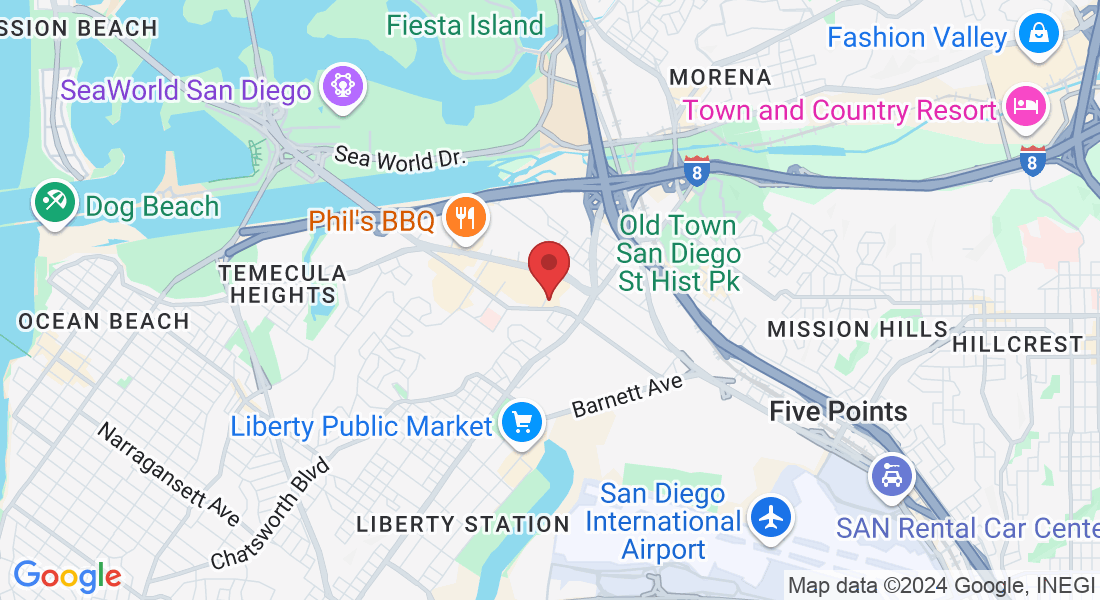
POINT LOMA
Address
3166 MIDWAY DRIVE
SAN DIEGO, CA 92110
Business Hours
Mon – Fri: 10am - 8pm
Sat : 10am-6pm
Sun: 10am-5pm
Phone Number:
PROBODY WAREHOUSE
CHULA VISTA
Address
301 3RD AVE
CHULA VISTA, CA 91910
Business Hours
Mon – Fri: 10am - 8pm
Sat : 10am-6pm
Sun: 10am-5pm

Phone Number:
Frequetly Asked Question
Can I purchase these offers online?
Yes. Once you will out the form, you will be directed to a page with all the discounted prices as well as links that will allow you to purchase certain items online.
How do I reserve an item?
Send us a message, by clicking the button below "Text Us" and tell us which item you'd like to reserve as well as your preferred pick up location. We'll send you an invoice that will allow you to pay for the item in advance and we'll put it on the side for you. This will allow you to pick up the item at your convenience.
Do I have to be a member to purchase?
No, we do not offer memberships; however, we do have a reward program that we highly encourage. Earn points. Save Money. Be happy :-)
Can I get the pricing without having to fill out the form?
If you are an existing customer with an account then you will receive these offers either via text or email. If you did not receive them, you can reach out and we'll send you the deal. If you are not a current customer, they filling out the form is required to receive the detailed pricing.
I saw a deal valid in Point Loma, but I live far from that location. Any other option?
Point Loma deals are exclusive to that location; however, you may contact us and request an item to be transfered to a different location. Once you've paid for it, we'll transfer it to a location that is closer to you.
How are some of these prices so low?
some of these prices look to good to be true (we know). We work very close with many manufacturers and order in large volumes, considering it's the last quarter of the year, the brands try to reduce their inventory for tax reasons. Hence they are willing to go more aggressive on pricing and credits, many of these items are sold below our costs; however, this loss will be credited back to us for future purchases. This allows us to help you save more money, and hopefully earn your business in the future.
Can I use the $10 gift card towards my purchase?
The $10 gift card will require approx. 10-15 minutes until activation. Hence you won't be able to use it immediately after it's created; however, you'll be able to use it 15 minutes after receiving it.
Blogs & Articles

Lead in Protein Powder: Separating Science from Sensationalism
Prop 65 uses a 0.5 µg/day lead “concern” level set in 1989—far more conservative than FDA/EU limits.
FDA ~12.5 µg/day adults; ~8.8 µg/day women of childbearing age.
Many “over the limit” headlines compare to Prop 65, not FDA/EU; most products remain within recognized safe ranges.
Lead in Protein Powder: Separating Science from Sensationalism
Why Trace Lead Is (Almost) Inevitable
How Consumer Reports Framed the Issue (and Its Limitations)
Where the reporting leans toward fear
What Peer-Reviewed Science Tells Us About Lead In Protein Powder
How to Read Reports Critically (and Avoid Misinformation)
The flaws about Prop65 reporting
Lately, there’s been a media firestorm around the claim that protein powders contain dangerous levels of lead. Headlines scream warnings, often quoting Consumer Reports or Prop 65 metrics as though they are definitive proof of danger. But the full story is much more nuanced.
In this post, we’ll:
+ Explain how trace heavy metals appear naturally
+ Examine how Consumer Reports framed its narrative
+ Show why many reports are misleading or biased
+ Offer practical guidelines to choose safer protein powders
Note: For context, see this critique of the Consumer Reports coverage.

In the EU, sports supplements are treated as general foods and are therefore subject to the same regulations, meaning they must meet general food safety standards.
Why Trace Lead Is (Almost) Inevitable
Lead is pervasive in soil: All plants absorb whatever trace elements exist in their growing environment, including metals like lead, arsenic, and cadmium.
Processing can’t remove every trace: Even when a brand refines or purifies its ingredients, a certain minimal “background noise” level often remains.
Dose is everything: Toxicology teaches that “the dose makes the poison.” In other words, very low-level exposures are not equivalent to harmful exposures.
Because of this, finding some lead in a protein powder is not a scandal. The key is whether those levels exceed plausible safety thresholds.

How Consumer Reports Framed the Issue (and Its Limitations)
In its most recent investigation, Consumer Reports tested 23 proteins and shakes, concluding that over two-thirds had lead amounts exceeding what its experts define as a “safe daily threshold.”
Where the reporting leans toward fear
📝 Prop 65 as de facto standard
A lot of media coverage equates Prop 65 thresholds with scientific toxicity limits. But Prop 65 is a regulatory warning statute in California designed to err on the side of caution. It is not a universal toxicology limit.
🧑🏼🔬Missing comparative standards
Consumer Reports’ “level of concern” is 0.5 micrograms per serving. But many regulatory and health agencies allow higher exposures before flagging risk. The omission of those more permissive benchmarks frames the narrative as if the CR standard is the only one that matters.
😱High multipliers get clickbait value
Headlines often emphasize that some powders exceed “1,200%” or “1,500%” of CR’s threshold. Without clearly stating what those thresholds are (and how they compare with federal or international standards), those numbers seem scarier than they should.
❌Lack of risk modeling
The reporting rarely discusses actual health risk modeling (e.g. cumulative exposure, absorption, bioavailability, or whether exposure remains under “safe” hazard indices). That leaves out essential context on whether the levels detected are truly harmful.

Alarming headlines sell better. Prop65's standards of measure are out of touch with reality, but it's a great way to sensationalize and scare consumers
What Peer-Reviewed Science Tells Us About Lead In Protein Powder
A health risk assessment of heavy metal ingestion from protein powders showed that, under common consumption scenarios, the hazard index remains well under 1 (i.e. not indicative of significant risk).
The same study noted that lead exposure from diet/environment generally dominates over the incremental amount from supplements.
Importantly, even the scientists in that study caution that such modeling depends on assumptions: serving frequency, absorption rates, and background exposures matter.
How to Read Reports Critically (and Avoid Misinformation)
Thus, while caution is wise, the presence of detectable lead in a protein powder does not automatically mean it is unsafe.
Always ask: Which standard is being used — Prop 65, EPA, WHO, FDA?
Beware of sensational multipliers (e.g. “1000%”) without clear baseline context.
Inquire about the dose of heavy metals, as they say "the dose makes the poison" (more often than not it's way below the standard deemed safe by FDA and EMA (European Medicines Agency).
If somebody warned you about Coffee, and how dangerous caffeine was, wouldn't you ask "but how much do I have to drink for it to be dangerous?" (BTW coffee also contains lead above the threshold deemed safe by Prop65; hence so many coffee shops keep getting hit by these lawsuits.)
The flaws about Prop65 reporting
If someone told you coffee was dangerous because it contains caffeine, wouldn’t your first question be, “How much do I have to drink for it to actually be harmful?” It’s the same with lead. Yes, lead can be dangerous — but not at the trace levels that California’s Prop 65 suggests. Remember: the dose makes the poison.
Even water can be deadly if you drink too much; what matters is how much you're exposed to. Prop65 says the "safe" daily amount of lead is just 0.5 micrograms - a limit set way back in 1989, with no real scientific basis.
Modern research shows this number is far lower than what would actually cause harm, yet it hasn't changed because Prop65 is driven more by politics than science. It's a cash cow for the state, since the settlement amount gets split by the lawyers, the plaintiff, and the state.
Meanwhile, the FDA has its own standards that are based on current research. It says adults can safely consume about 12.5 micrograms of lead per day, and women of childbearing age about 8.8micrograms- roughly 18 to 25 times higher than what Prop65 allows. Even those limits are already conservative and built with a big safety buffer.
When Consumer Reports tested some products, they claimed many went over their so-called "level of concern." But that "level" is just the unrealistic Prop65 number. So their "thousands of percent over the limit" - yet the products are still well within actual safe levels recognized by federal health experts in the US and Europe.
Think of Prop65's lead limits like setting a speed limit of 1 mph on the freeway "just to be safe." Yes, driving faster than that technically "breaks the rule," but it doesn't mean you're in danger, it means the rule itself is out of touch with reality.
Choosing Safer Protein Powders: A Practical Checklist

Interestingly, the protein powders that tend to show higher trace amounts of lead are usually plant-based or vegan proteins. That’s because plants naturally absorb minerals — including heavy metals — from the soil, while whey isolate proteins come from dairy and go through more filtration, leaving behind fewer impurities
The Bottom Line: Does Protein Powder Contain Lead
Yes — many protein powders contain detectable lead, but that fact alone doesn’t justify alarmist conclusions. What matters is:
**How much lead is it per serving?
**How frequently do you consume it?
**Does your exposure surpass the FDA or European guidelines?
Media coverage has a strong incentive to amplify dramatic numbers. But a more balanced perspective shows that safe, transparent brands exist, health risk modeling generally remains well within safe ranges for typical users, and that dose, context, and transparency are far more meaningful than clickbait percentages.
🧠 Frequently Asked Questions About Lead in Protein Powder
1. Do all protein powders contain lead?
Not necessarily — but trace amounts can occur naturally. Plants absorb minerals, including lead, from soil and water. Even with advanced filtration, tiny traces can remain in both plant- and dairy-based protein powders. These levels are far below any amount that would pose health risks, especially when products are third-party tested for purity.
2. Is plant protein higher in lead than whey?
Generally yes. Plant-based proteins (like pea or rice) tend to show slightly higher trace mineral levels because crops naturally draw minerals from the ground. Whey isolate usually tests lower because it goes through multiple filtration steps that remove most impurities — one reason it’s often recommended for those who want minimal exposure.
3. How much lead is considered safe?
California’s Prop 65 sets an extremely conservative limit of 0.5 micrograms per day — a number established in 1989 and not based on current toxicology data.
In contrast, the FDA allows up to 12.5 µg/day for adults and 8.8 µg/day for women of child-bearing age, while European guidelines recognize kidney and heart safety benchmarks around 44–105 µg/day.
👉 So even if a product “exceeds Prop 65,” it’s still well within realistic global safety limits.
4. Should I be worried about lead in protein powder?
No. Lead can be harmful at high doses, but the amounts found in quality protein powders are hundreds of times lower than dangerous levels. The key concept is “the dose makes the poison.” What matters isn’t whether lead is detectable — it’s how much you’re actually exposed to. Trusted brands test for heavy metals to ensure safety far below federal limits.
5. How can I choose a safer protein powder?
✅ Check COA: Look for published Certificates of Analysis or third-party lab reports.
🧪 Prefer whey isolate or collagen: These typically have the lowest trace mineral content.
🔁 Rotate sources: Alternate between whey, collagen, and plant proteins for balance.
🍫 Avoid cocoa if cautious: Chocolate-flavored products tend to test higher in natural metals.
💧 Go unflavored: Try our ProBody Warehouse Flavorless Whey Isolate

© 2024 ProBody Warehouse - All Rights Reserved.
**These Statements have not been evaluated by the Food and Drug Administration. This product is not intended to diagnose, treat, cure, or prevent any disease.
Text Us Today If you have Questions
