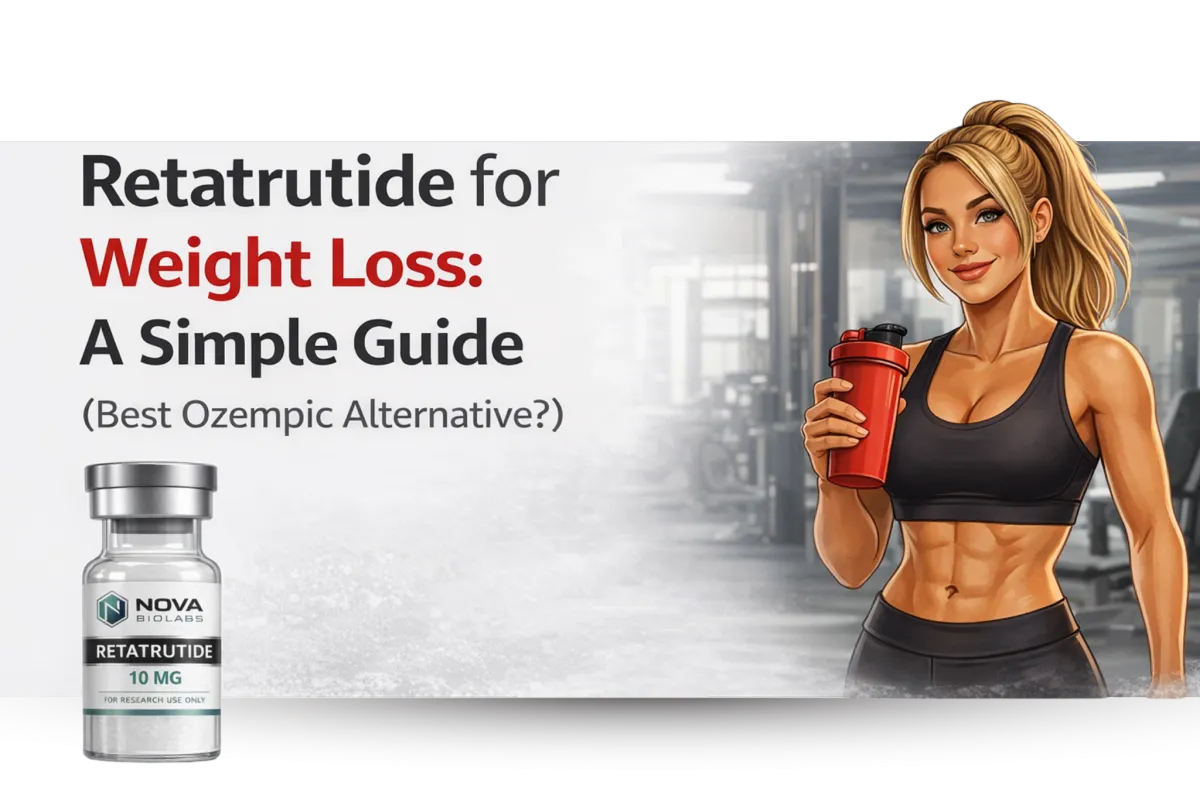
Retatrutide for Weight Loss: A Simple Guide (Best Ozempic Alternative?)
Key Takeaways
Ozempic changed the weight loss space. But things are shifting.
Why People Are Looking for Ozempic Alternatives?
Ozempic changed the weight loss space. But things are shifting.
But Now:
Insurance is starting to stop covering it: Major insurers and employers are quietly pulling back GLP-1 coverage due to the staggering costs — some plans paying $15,000+ per patient per year. As coverage shrinks, millions of current users will be forced to pay out of pocket or stop altogether, directly impacting demand for high-protein diets tied to GLP-1 use.
Costs are going up: Brand-name GLP-1 drugs like Ozempic and Wegovy can run $900–$1,300 per month without insurance. Even with coverage, copays and prior authorization requirements are rising. At that price point, long-term compliance drops — and so does the sustained protein demand that's been propping up the market.
People want other weight loss injections: GLP-1 isn't the only game in town anymore. Newer dual and triple-agonist medications like retatrutide and orforglipron are entering the market with stronger results and potentially lower price points. As consumers chase the next generation of weight loss drugs, loyalty to any single medication — and its associated diet protocols — becomes harder to predict.
That’s why searches for:
👉 “Ozempic alternatives”
👉 “new weight loss drugs”
👉 “retatrutide weight loss”are growing fast.
What Is Retatrutide?
Retatrutide is a next-generation weight loss medication currently in clinical trials.
It is not FDA approved yet.
But early results are turning heads across the entire weight loss and obesity treatment industry — and for good reason.
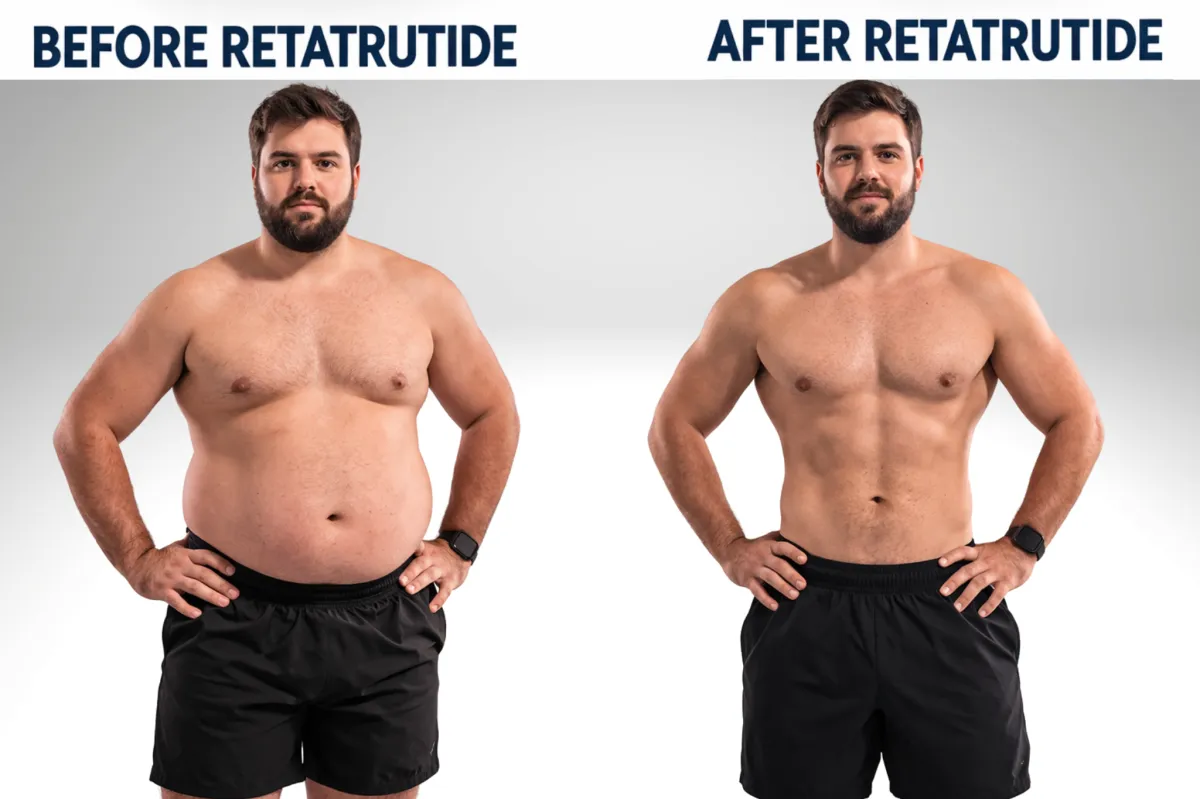
In Phase 2 trials, participants lost up to 24% of their body weight — numbers that outperform every GLP-1 drug currently on the market, including Ozempic and Wegovy.
How Does Retatrutide Work?
Retatrutide works by targeting three hormones in your body simultaneously — making it the world's first triple-agonist weight loss drug:
✅ GLP-1: Helps you feel less hungry and controls blood sugar
✅ GIP: Helps you feel full faster and improves metabolic response
✅ Glucagon: Helps your body burn more fat even at rest
👉 Simple:
You eat less... burn more... and your metabolism actually works with you instead of against you.
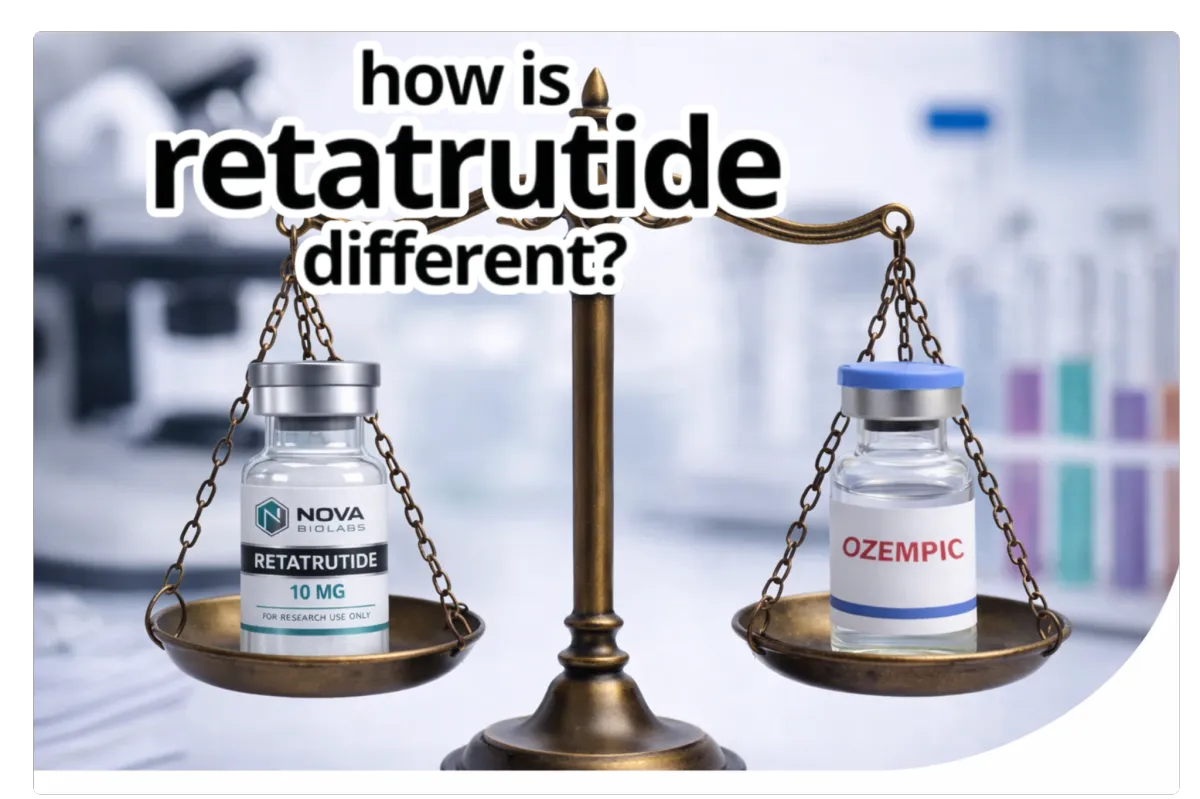
This triple-action approach is what separates retatrutide from older semaglutide-based medications like Ozempic, Wegovy, and Rybelsus — which only target one or two pathways.
Why Retatrutide Users Need More Protein, Not Less?
All three hormones directly affect muscle retention and appetite suppression. The stronger the drug, the more aggressively people need to increase protein intake to avoid muscle loss during rapid weight loss.
That means retatrutide users could drive even higher protein demand than current GLP-1 users — making this a market trend worth watching closely.
How Much Weight Can You Lose On Retatrutide?
In clinical studies, participants lost around:
👉 20% to 24% of their total body weight
To put that in perspective — a 250lb person could lose 50 to 60 pounds.
That's not a slow, gradual diet. That's aggressive, rapid fat loss that your body has to work hard to keep up with.
And that's exactly where the problem starts.
⚠️ You Can Lose Muscle Too
Fast weight loss doesn't just burn fat.
It can also burn through your hard-earned muscle — a process called muscle wasting or lean mass loss.
This is one of the most underreported side effects of GLP-1 and next-generation weight loss medications.
If you:
💪 Don't eat enough protein
💪 Don't resistance train
💪 Don't use the right supplements
Your body doesn't know the difference between fat and muscle when it's in a steep caloric deficit. It breaks down whatever is available.
You can end up:
❌ Weak
❌ Flat
❌ Losing size
❌ With a slower metabolism than when you started
❌ More likely to regain the weight once you stop the medication
This is called "skinny fat" rebound — and it's becoming one of the most searched concerns among GLP-1 users right now.
The Fix Is Simpler Than You Think
Research consistently shows that high protein intake combined with resistance training is the most effective strategy for preserving lean muscle during rapid weight loss.
Not complicated. Not expensive.
Just protein. Consistently. Every day.
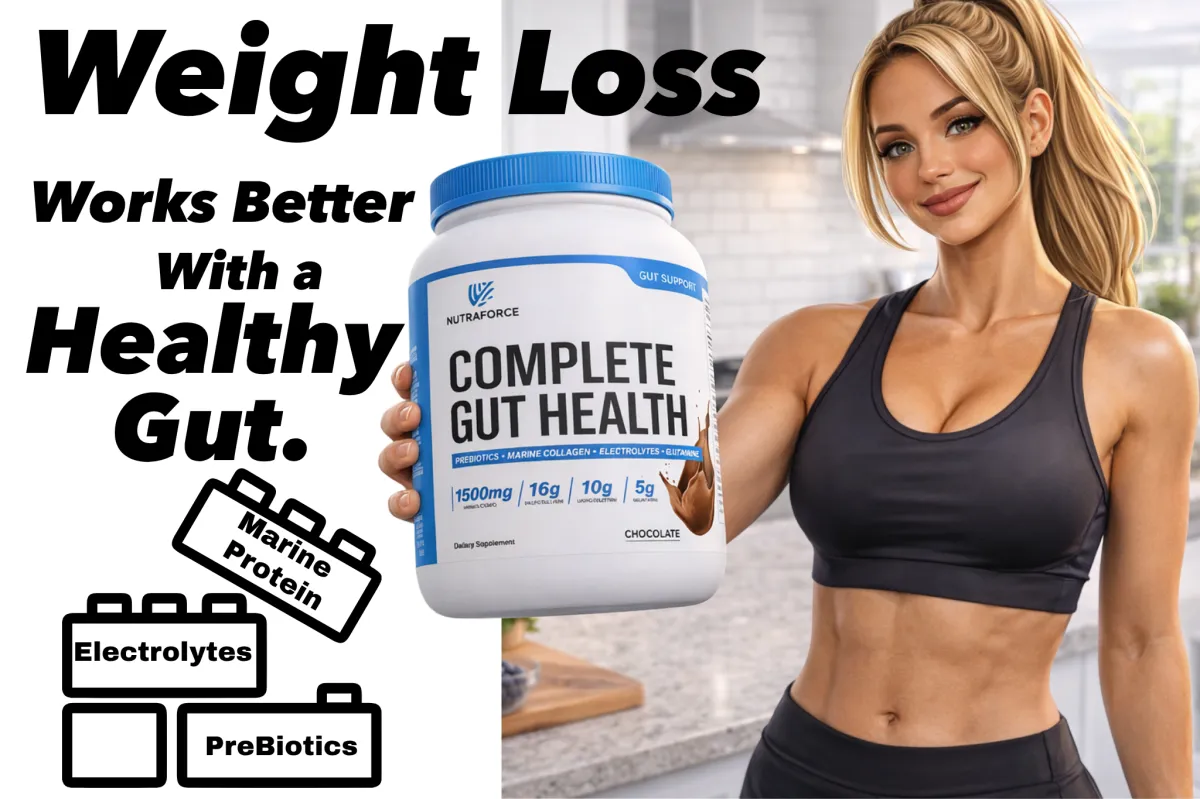
Complete Gut Health is part of the ultimate weight loss support stack
⚠️ The Muscle Loss Problem With GLP-1 and Weight Loss Medications
When calories drop sharply — as they do on medications like Ozempic, Wegovy, and Retatrutide — your body doesn't just burn fat. It also breaks down muscle tissue for energy.
👉 You can end up looking smaller, weaker, and flat — even after losing significant weight.
This is one of the biggest complaints among long-term GLP-1 users:
✅ Less Protein = More Muscle Loss
✅ Less Training = Weaker Body
✅ No Support = Poor Results and Faster Rebound
The medical term for this is sarcopenia — age or diet-related muscle loss — and rapid weight loss drugs accelerate it significantly if you're not actively protecting your lean mass.
The Smart Supplement Stack (To Keep Muscle)
You don't need a complicated protocol. You need the right three things, done consistently.
1. Protein (Most Important)
When you eat less, you automatically consume less protein — which is the #1 trigger for muscle breakdown during weight loss.
Most GLP-1 users aren't hitting anywhere close to their daily protein targets because the medication suppresses appetite so aggressively.
The general recommendation for preserving muscle during weight loss: 0.7–1g of protein per pound of bodyweight daily.
👉 Fix it with consistent daily protein intake through whole foods or a high-quality protein supplement — whey isolate, pea protein isolate, or a blend that fits your digestive tolerance.
2. Electrolytes (Energy + Hydration)
Less food means fewer essential minerals — specifically sodium, potassium, and magnesium.
Deficiencies in these electrolytes can lead to:
❌ Chronic fatigue
❌ Muscle cramps
❌ Brain fog
❌ Poor workout performance
❌ Increased hunger and cravings
Supplementing with a daily electrolyte powder is one of the simplest ways to maintain energy levels and workout quality while on a GLP-1 medication.
3. Creatine (Strength + Muscle Retention)
Creatine monohydrate is one of the most studied supplements in sports nutrition — and one of the most underused by GLP-1 users.
It helps you:
✅ Maintain strength during a caloric deficit
✅ Preserve lean muscle mass during rapid weight loss
✅ Recover faster between training sessions
When combined with added minerals like zinc and magnesium (Z-Mag), creatine supports both muscle retention and hormonal health — two things that take a hit during aggressive weight loss.
What Are the Side Effects of Retatrutide?
Retatrutide side effects are similar to other GLP-1 medications like Ozempic and Wegovy, and are mostly gastrointestinal — especially during the dose escalation phase:
✅ May cause nausea
✅ May cause stomach discomfort or cramping
✅ May cause constipation
✅ May cause reduced appetite beyond intended levels
✅ May cause fatigue, particularly if electrolytes and protein intake aren't managed properly
Most side effects are temporary and decrease as your body adjusts to the medication. However, the nutritional side effects — muscle loss, mineral depletion, and low energy — are long-term risks that require active management through diet and supplementation.
⚠️ Avoid Fake Retatrutide- What You Need To Know Before You Buy
Because Retatrutide is not yet FDA approved, it is not legally available for purchase anywhere in the United States as a weight loss treatment.
That means anything being sold right now as "Retatrutide" online, through peptide websites, or via unregulated compounding pharmacies is not the real thing.
Here's what to watch out for:
❌ Unverified online peptide sellers — No regulation, no quality control, no accountability
❌ Compounded "research chemical" versions — Not tested for human safety or accurate dosing
❌ Social media promotions — If someone is selling it in a DM or a Shopify store, walk away
❌ Suspiciously low prices — Real clinical-grade peptides are expensive to produce correctly
Until Retatrutide receives FDA approval — which analysts expect could come as early as 2025 or 2026 — the only legitimate way to access it is through an official clinical trial.
The Bottom Line
The supplement industry is changing faster than at any point in the last 20 years.
GLP-1 medications like Ozempic and Wegovy changed how millions of Americans think about weight loss. Next-generation drugs like Retatrutide are about to change it again — but bigger, faster, and with higher nutritional stakes than ever before.
Meanwhile, whey protein prices are at near-record highs. Egg protein is even more expensive. And the mainstream food industry is buying up supply faster than manufacturers can keep up.
Here's what 20+ years in the protein business has taught me:
The trends change. The biology doesn't.
Your body still needs protein to preserve muscle. It still needs creatine to maintain strength. It still needs electrolytes to function at its best. Whether you're on a GLP-1 medication, training for a physique show, or just trying to stay healthy and strong as you age — the fundamentals are the same.
So while everyone else is chasing the next miracle drug or waiting for whey prices to magically drop:
✅ Hit your daily protein target
✅ Train with intention
✅ Supplement with what actually works
✅ Stop overthinking the source — pea protein builds muscle too
The people who win in fitness — and in business — aren't the ones who wait for perfect conditions.
They're the ones who adapt.
Looking for high-quality protein supplements that work with your body and your budget? Whether you're a GLP-1 user protecting lean muscle, an athlete optimizing performance, or someone just trying to hit their daily protein goals — we have options built for real results.
Explore our full line of whey protein isolate, pea protein isolate, creatine, and electrolyte supplements today.
Frequently Asked Questions Retatrutide Vs Ozempic
Is retatrutide better than Ozempic?
It may lead to more weight loss, but it is still being studied and not approved yet.
Is retatrutide an Ozempic alternative?
Yes, many people see it as a next-generation alternative.
Can you lose muscle on weight loss injections?
Yes. Without enough protein, your body can lose muscle.
What supplements should you take?
Protein, electrolytes, and creatine are the most important.
When will retatrutide be approved?
Possibly around 2026–2027.
Why does retatrutide say "not for human consumption"?
Many websites label retatrutide as "for research use only.
Is retatrutide stronger than Ozempic?
Early studies suggest retatrutide may lead to more weight loss than Ozempic because it targets three hormones instead of one. However, more research is needed before it can be fully compared.
How do I protect muscle while using Ozempic or similar drugs?
To protect muscle, you need enough protein, proper training, and key supplements. Protein powder, creatine, and electrolytes help maintain strength, energy, and muscle while losing weight.
What protein should I consume while on GLP-1?
Any protein powder that your gut can tolerate. If you don't do well with dairy-based protein, then avoid whey (any form) and stick with egg-based, plant-based, or a collagen based protein powder.
What is an important item I should take besides protein?
Another important item to take is fiber + prebiotics for digestive support and to avoid constipation, which is a potential side effect of GLP-1 boosters.
This content is for educational purposes only and is not medical advice. Always consult a healthcare professional before starting any medication or supplement.

© 2026, ProBody Warehouse Corporation. All rights reserved.
LOCATIONS IN SAN DIEGO, CA


