Why Whey Protein Prices Are Skyrocketing (And What Smart Buyers Are Doing Instead)
What 20+ Years in the Industry Has Taught Me
I’ve been in the protein supplement business for over 20 years.
I’ve seen trends come and go. I’ve watched “miracle ingredients” rise and fall. I’ve survived low-carb crazes, high-carb crazes, and that brief period where everyone thought coconut oil cured everything.
But what we’re seeing right now with whey protein pricing?
This one feels different.
Why Whey Protein Prices Are Rising in 2025
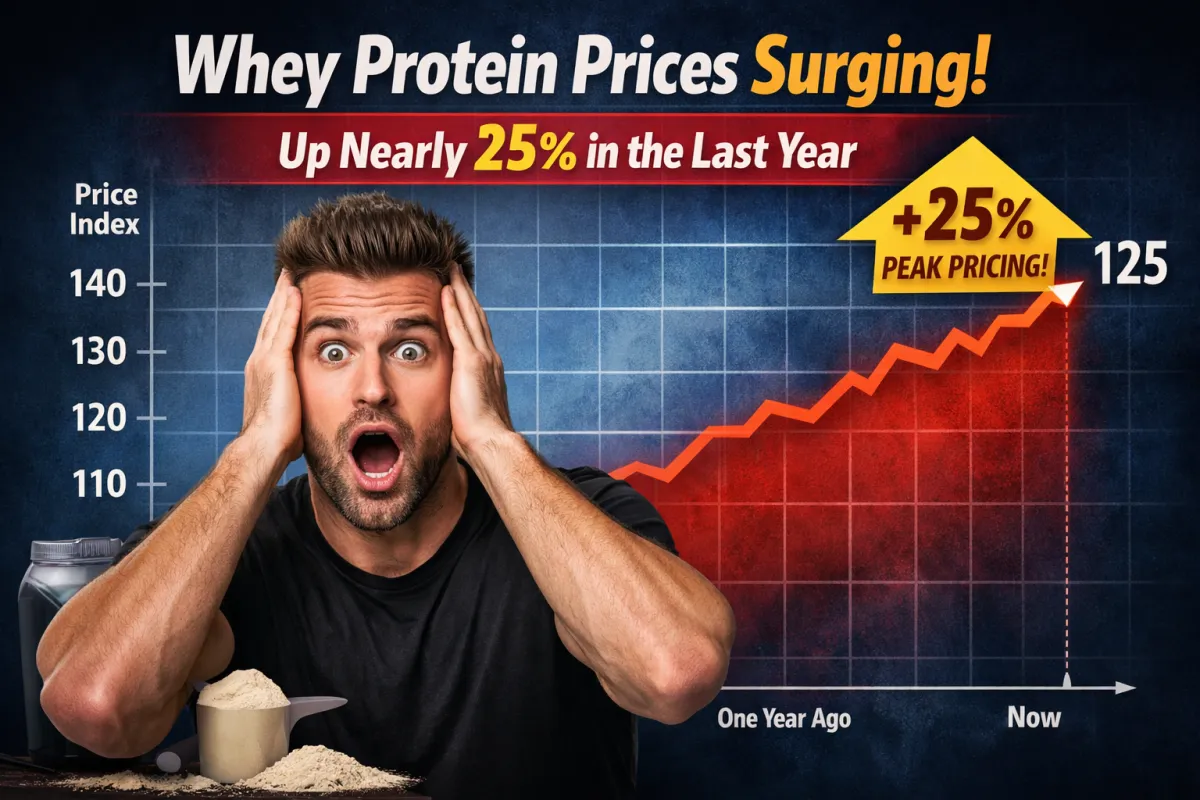
Whey protein isolate prices are up nearly 25% year-over-year. We’re approaching what many analysts believe is peak pricing territory.
And if you’re in the supplement business — or even just someone who buys protein regularly — you’re feeling it.
Let me tell you why.
History Repeating Itself (With a Bigger Price Tag)
Years ago, a major beverage company decided it wanted a slice of the protein pie.
They bought whey isolate like it was toilet paper in 2020.
The market tightened. Prices spiked. Smaller companies like us had to scramble. Margins got thinner than a paper label.
When that project didn’t go as planned, supply eventually leaked back into the market.
But the lesson stuck:
When corporate giants go grocery shopping, they don’t use a cart.
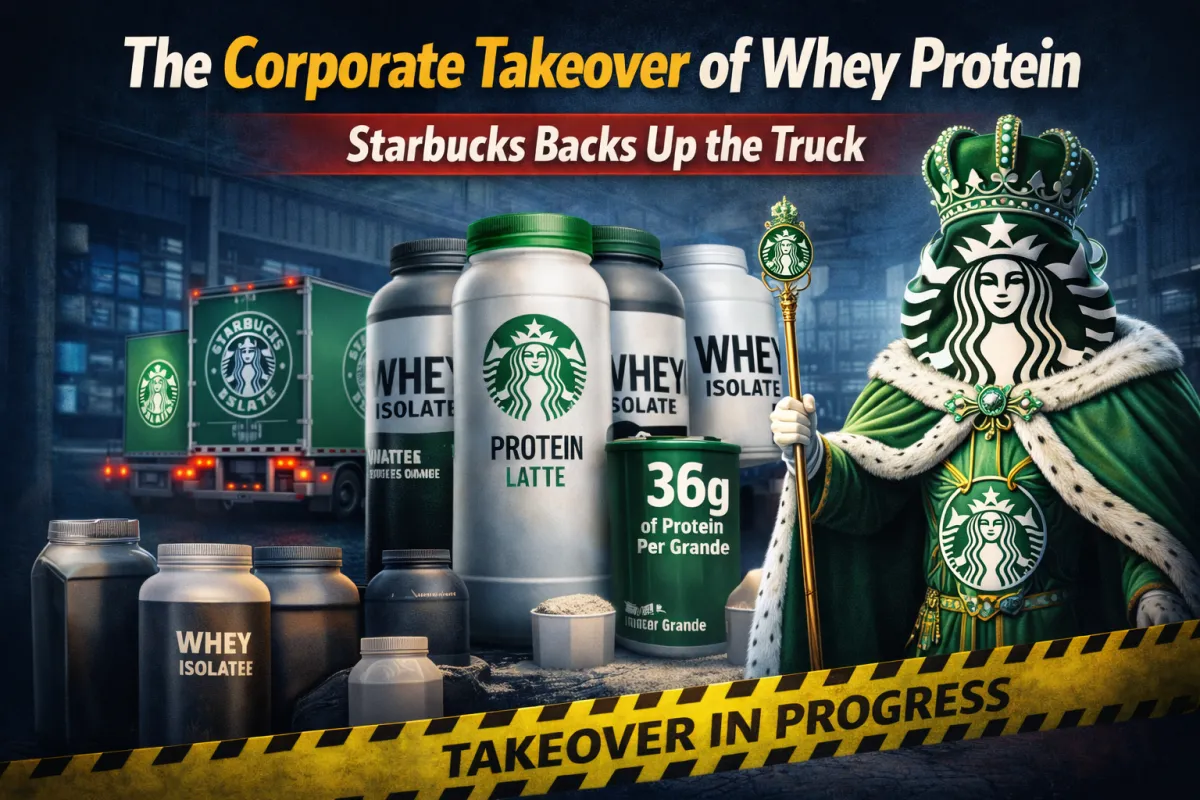
They back up a semi-truck.
What’s Driving the Protein Demand Explosion
Now we’ve got two heavy hitters in the ring:
Starbucks launched protein lattes and protein cold foams delivering up to 36g of protein per grande.
Kodiak is putting whey into Power Cakes, Waffles, Flapjacks — basically breakfast with a barbell.
And this isn’t a limited-time promo.
This is permanent shelf space.
Add in:
✅ The explosion of clear protein drinks
✅ Muscle-preserving diets going mainstream
✅ GLP-1 medications driving higher protein prescriptions
✅ Roughly 12% of the U.S. population now using GLP-1 medications
Protein isn’t a gym niche anymore, according to the National Institutes of Health (NIH), protein intake recommendations continue to rise as research highlights its role in muscle preservation, metabolism, and overall health. It’s grocery store royalty. Everyone wants in. And everyone is competing for the same whey supply.
Is There a Whey Protein Shortage?
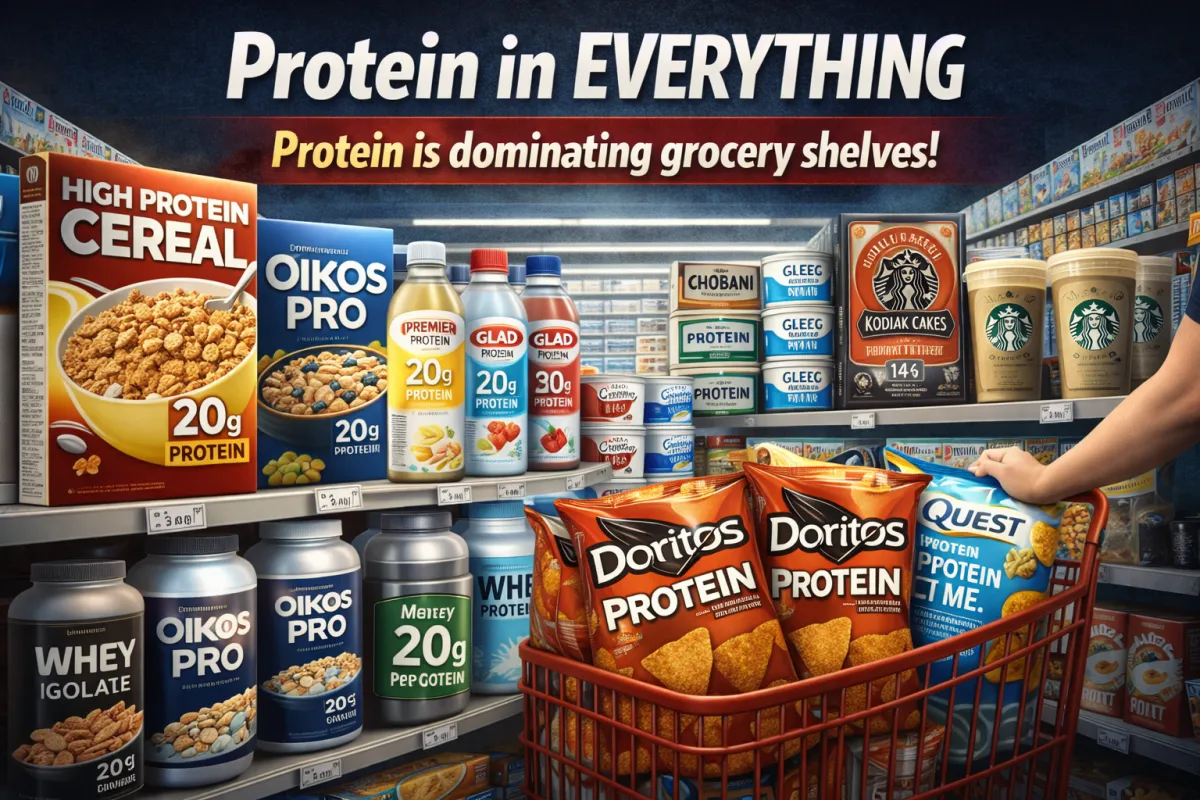
Walk down any aisle and count how many times you see the word “PROTEIN.”
🥣 Cereal? Protein.
🍦 Yogurt? Protein.
🍪 Chips? Protein.
☕️ Coffee? Protein.
💧Water? Probably protein by next year.
It’s the new “gluten-free” — except this time it actually matters.
Supply partners are predicting new U.S. manufacturing capacity may stabilize pricing toward the end of 2025.
But until then? - We’re in a squeeze.
Best Alternatives to Whey Protein Right Now
You have two options:
1️⃣ Stay locked into dairy protein and ride the volatility.
2️⃣ Explore alternatives that make business and biological sense.
Let’s talk about them.
Option 1: Egg Protein
On paper, egg protein is fantastic.
Complete amino profile. High quality. Great reputation.
In reality?
It’s extremely volatile and currently one of the most expensive proteins available.
Egg prices hit record highs in 2025. If whey hurts, egg protein hurts more.
It’s like jumping out of a frying pan directly into a slightly more expensive frying pan.
Option 2: Plant Protein
I know what you’re thinking:
“Plant protein? The gritty stuff that tastes like drywall?” -That was 2012.
Let’s rewind.
There was a time when whey isolate tasted like chalk blended with Pepto-Bismol. You needed milk, fruit, and blind optimism to drink it.
Now? Whey comes in cereal milk, birthday cake, and 47 variations of cookies.
Plant protein went through the same evolution.
Modern pea protein isolates are smoother, cleaner, and when properly formulated, shockingly good.
Technology improved. Filtration improved. Flavor systems improved. The dirt-like taste is gone.
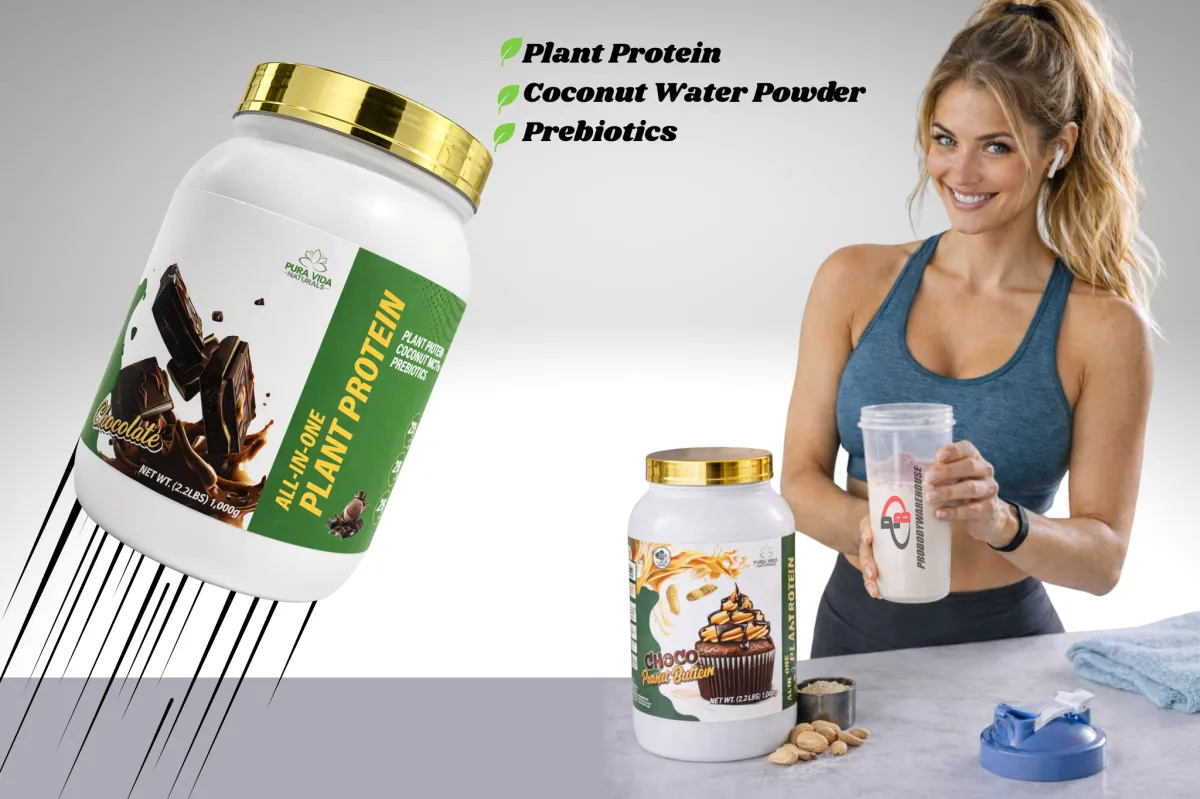
All-In-One Plant Protein with full amino acid profile + minerals from coconut water powder & prebiotics for Gut health.
Pea Protein vs Whey: Which Builds More Muscle?
“Isn’t Plant Protein Incomplete?”
Short answer: NO
Pea protein has a PDCAAS score of 0.89. What's PDCAAS score:
PDCAAS stands for Protein Digestibility-Corrected Amino Acid Score. The PDCAAS scoring system is widely recognized in nutrition science and was developed based on standards from organizations like the FAO and FDA to evaluate protein quality and digestibility. It's basically a report card for protein that measures two things: Does it have all the essential building blocks (amino acids) your body needs? And how much can your body actually use? The score goes from 0 to 1.0, with 1.0 being perfect. Whey gets a 1.0. Pea protein gets a 0.89.
That’s 89% — not some catastrophic deficiency.
Update:
Using the newer DIAAS measuring method, some pea isolates score 100.
Human digestibility studies show:
✅ Pea protein digestibility: ~93–94%
✅ Casein: ~96–97%
That’s a 3% difference.
Not 30%. Not 50%. Three.
And unless your entire diet is protein shakes and regret, you’re getting methionine and other amino acids from the rest of your meals.
“But Does It Build Muscle?”
Here’s where it gets fun.
A 12-week double-blind study of 161 males showed: Pea protein = Whey protein
No difference in muscle thickness gains. Another 8-week high-intensity training study showed: Similar improvements in body composition, strength, and muscle growth between whey and pea. Clinical research comparing pea protein and whey protein has shown comparable results in muscle thickness and strength gains in resistance-trained individuals.
Translation:
If you lift hard and eat properly, pea protein builds muscle just fine. Your biceps don’t care where the amino acids came from.
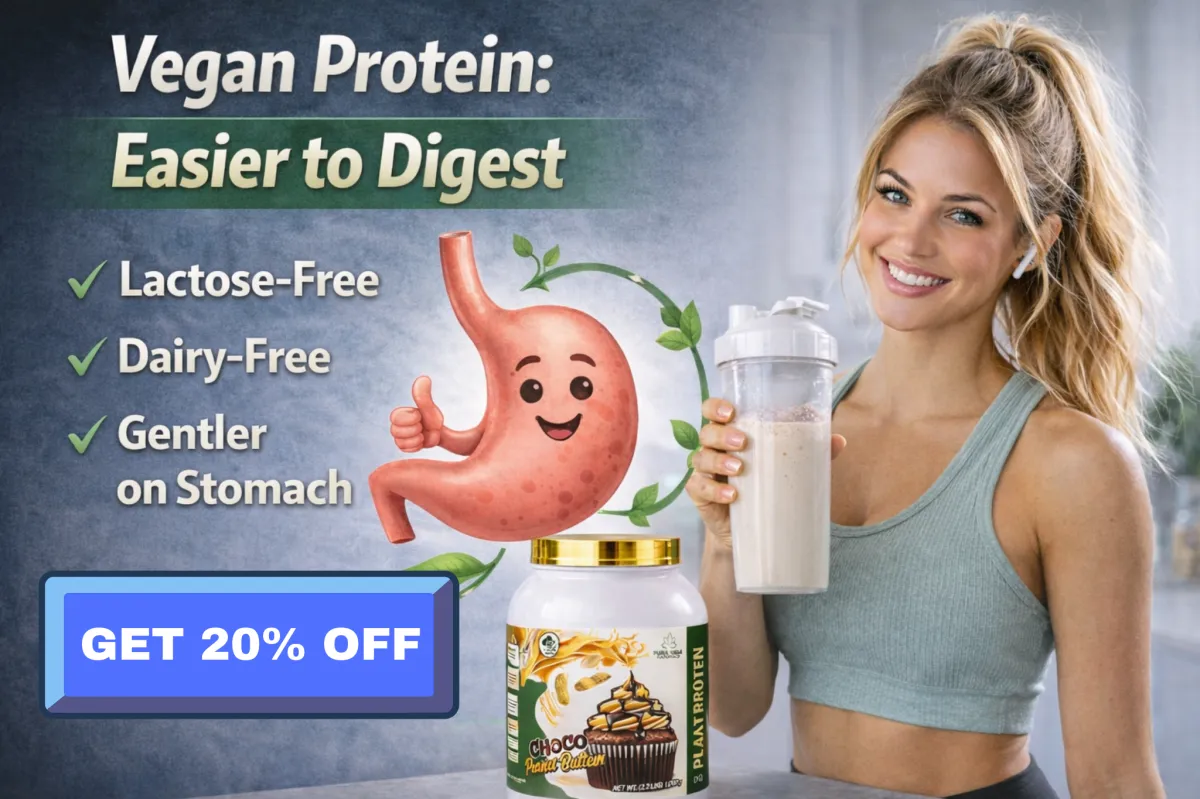
For a limited time get 20% Off your first purchase of All-In-One Plant Protein CLICK HERE or use PLANT20 at checkout
Is Plant Protein Easier to Digest?
Here’s something customers tell me constantly:
“Rob, I switched to pea protein and my stomach finally stopped hating me.”
Pea protein is naturally lactose-free. Even if you tolerate lactose, that doesn’t mean your gut loves processing dairy protein day after day.
❌ Less bloating.
❌ Less gas.
❌ Fewer emergency bathroom sprints mid-leg-day.
That alone is worth considering a plant based protein
Cost Comparison: Whey vs Whole Food Protein
Let’s compare 25g of protein:
Protein Powder (Plant or Whey)
· $70 tub
· 70 servings
· $1.00 per 25g protein
Ground Beef
~$8/lb
$2–$2.50 per 25g protein
Chicken Breast
· $1.50–$2.00 per 25g protein
Eggs
· ~$1.26 per 25g protein
Protein powder is still the most cost-efficient per gram. Yes, you pay upfront. But long term? It wins.
Should You Switch Away From Whey Protein?
Markets are cyclical. Protein demand is not.
Starbucks isn’t backing out. Kodiak isn’t backing out.
Consumers aren’t suddenly going to stop caring about protein. Whey supply will eventually stabilize.
But in the meantime? Smart operators adapt.
Plant protein isn’t a compromise anymore.Don’t let old assumptions keep you stuck in a volatile market. The industry evolved.
Maybe your protein source should too.
Frequently Asked Questions About Protein Supplements
Why is whey protein so expensive right now in 2025?
Whey protein prices are up nearly 25% year-over-year due to surging demand from mainstream food brands like Starbucks and Kodiak, the rise of clear protein drinks, and GLP-1 medication users being prescribed higher protein intake — all competing for the same limited whey supply.
Is pea protein as effective as whey protein for building muscle?
Yes. A 12-week double-blind study of 161 males found no significant difference in muscle thickness gains between pea protein and whey protein. If you train consistently and eat enough protein, pea protein builds muscle just as effectively.
What is PDCAAS and how does pea protein compare to whey?
PDCAAS (Protein Digestibility-Corrected Amino Acid Score) measures protein quality on a scale of 0 to 1.0. Whey scores a perfect 1.0, while pea protein scores 0.89 — and using the newer DIAAS method, some pea protein isolates score 100, matching whey entirely.
Is pea protein a complete protein?
Pea protein contains all essential amino acids and has a digestibility rate of 93–94%, compared to casein's 96–97% — a difference of just 3%. Combined with a balanced diet, pea protein provides everything your body needs for muscle recovery and growth.
What is causing whey protein prices to rise?
The most viable whey protein alternatives right now are pea protein isolate and rice protein blends. Egg protein is high quality but currently more expensive than whey. Modern pea protein isolates have improved dramatically in taste and texture, making them a practical and cost-effective substitute.
What are the best alternatives to whey protein in 2026?
The most viable whey protein alternatives right now are pea protein isolate and rice protein blends. Egg protein is high quality but currently more expensive than whey. Modern pea protein isolates have improved dramatically in taste and texture, making them a practical and cost-effective substitute.
Does pea protein cause less bloating than whey?
Many people report significantly less bloating, gas, and digestive discomfort after switching from whey to pea protein. Since pea protein is naturally lactose-free, it's easier on the digestive system — even for people who don't consider themselves lactose intolerant.
How much does pea protein cost compared to whey protein?
Both pea and whey protein powders typically deliver roughly $1.00 per 25g of protein from a standard $70 tub, making them the most cost-efficient protein sources available — significantly cheaper than chicken breast ($1.50–$2.00), ground beef ($2.00–$2.50), or eggs (~$1.26) per equivalent serving.
Will whey protein prices go down in ?
Supply partners predict new U.S. manufacturing capacity could help stabilize whey protein pricing toward the end of 2025. However, long-term demand from mainstream food brands is permanent, meaning significant price drops are unlikely in the short term.
Is plant-based protein powder worth it for serious athletes?
Yes. Multiple peer-reviewed studies show comparable muscle growth, strength gains, and body composition improvements between pea protein and whey in resistance-trained individuals. Modern plant protein formulations have also largely eliminated the gritty texture and poor taste associated with early plant proteins.

© 2026, ProBody Warehouse Corporation. All rights reserved.
LOCATIONS IN SAN DIEGO, CA


